
Monolithic vs. Layered Zirconium Crowns: Which is Right for Your Smile in Turkey?
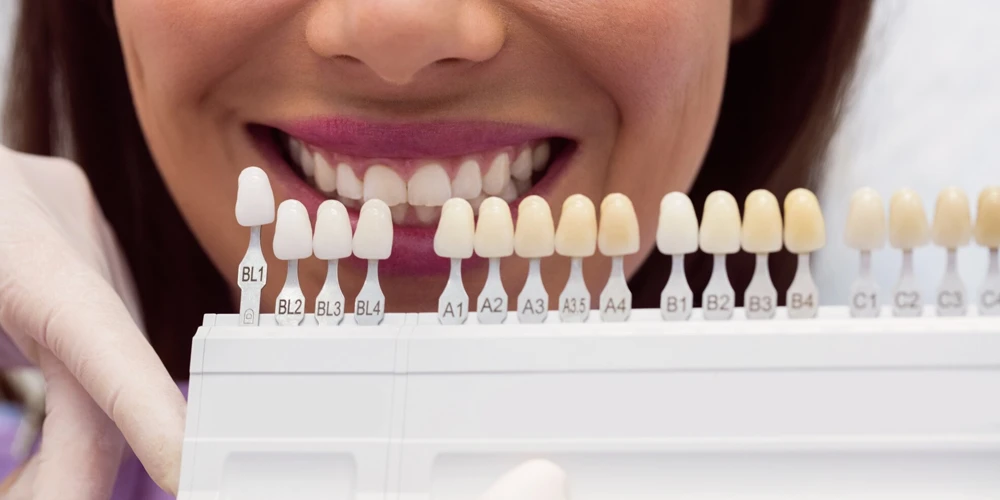
If you are planning a dental transformation in Istanbul, you have likely heard the term “Zirconium” more times than you can count. It is the gold standard for modern تيجان الزركونيوم because of its unique blend of metal-like strength and tooth-like beauty. But once you sit in the dentist’s chair, you might be faced with a more specific question: “Do you want Monolithic Zirconium or Layered Zirconium?”
This technical detail can make a huge difference in the longevity and look of your smile. While both are excellent choices, they serve different purposes. This guide breaks down the battle between “The Tank” (Monolithic) and “The Artist” (Layered) to help you decide which material belongs in your تصميم الابتسامة.
1. Monolithic Zirconium: The “Indestructible” Choice
The word “Monolithic” means “formed from a single block of stone.” In dentistry, these crowns are milled from a solid block of Zirconium oxide using advanced CAD/CAM technology.
The Pros:
- Unmatched Strength: Monolithic crowns are incredibly tough. They typically boast a flexural strength of 1000–1200 MPa (Megapascals). To put that in perspective, natural tooth enamel is only about 200 MPa. They are virtually impossible to crack or break.
- Chip-Proof: Because there are no layers, there is nothing to chip off. It is one solid unit all the way through.
- Less Tooth Removal: Because the material is so strong, it can be made thinner. This means the dentist needs to shave down less of your natural tooth structure.
The Cons:
- Opacity: While modern versions are improving, solid Zirconium can look slightly more opaque (less transparent) than natural teeth, potentially reflecting light differently than real enamel.
الأفضل لـ Back teeth (molars) that do the heavy chewing, and patients who grind their teeth (bruxism).
2. Layered Zirconium: The “Aesthetic” Choice
Layered Zirconium (often called “Porcelain Fused to Zirconia”) combines the best of two worlds. It uses a strong Zirconium core for the internal structure, which is then covered by hand-layered feldspathic porcelain on the outside.
The Pros:
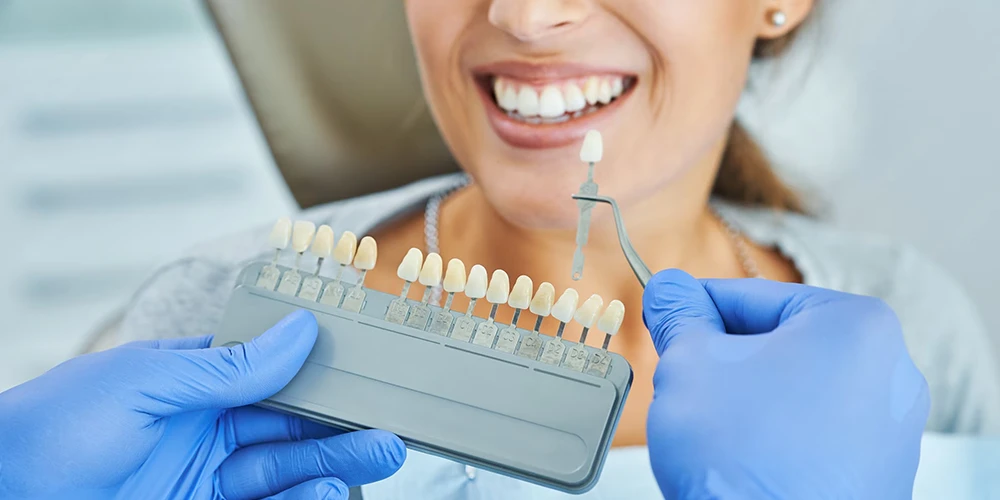
- Hyper-Realism: This is where the artistry happens. The porcelain layers allow light to pass through the edge of the tooth (translucency) exactly like natural enamel. A skilled ceramist can add subtle color gradients and texture that make the crown indistinguishable from a real tooth.
- Color Matching: It offers the highest flexibility to match the exact shade and character of your neighboring teeth.
The Cons:
- Risk of Chipping: While the Zirconium core is strong, the porcelain layer on top is more delicate. If you bite down on ice or hard candy, the porcelain can chip (delaminate).
- Thickness: It requires slightly more space, meaning a bit more of the natural tooth must be prepared to accommodate both the core and the porcelain layer.
الأفضل لـ Front teeth (incisors and canines) where beauty and natural appearance are the top priority.
Comparison Table: At a Glance
| الميزة | Monolithic Zirconium | Layered Zirconium |
|---|---|---|
| Structure | Solid Block (CAD/CAM) | Zirconia Core + Porcelain Veneer |
| القوة | Extremely High (1200 MPa) | High Core / Medium Surface |
| الجماليات | Good (Slightly Opaque) | Excellent (High Translucency) |
| Ideal Location | Back Teeth (Molars) | Front Teeth (Smile Zone) |
Why Not Mix and Match?
In Turkey, the most common approach for a full mouth makeover is actually a Hybrid Strategy.
Leading clinics often recommend using Layered Zirconium (or E.max) for the front 6-8 teeth to ensure your smile is dazzling, while using Monolithic Zirconium for the molars in the back. This gives you the “Hollywood Smile” look in the front with the “Industrial Strength” durability in the back where no one sees it. This logical approach aligns with guidelines from major dental organizations like the American College of Prosthodontists regarding material selection based on functional needs.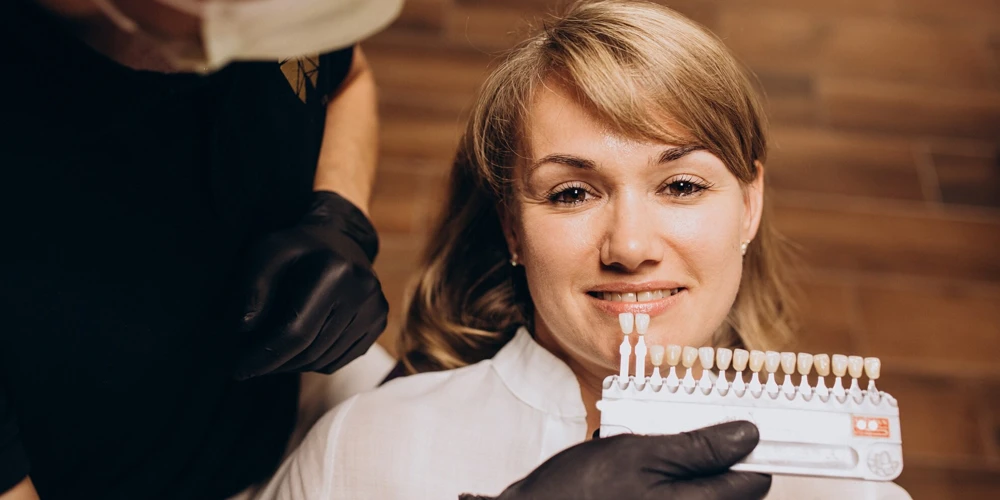
Conclusion: Trust the Technology in Turkey
Whether you choose the unbreakable strength of Monolithic or the delicate artistry of Layered Zirconium, Istanbul offers world-class access to both. The key is to be honest with your dentist about your habits (like teeth grinding) and your aesthetic goals. By selecting the right material for the right tooth, you ensure your new smile lasts a lifetime. Ready to design your perfect smile? اتصل بنا today for a free consultation and material assessment.
الأسئلة الشائعة (FAQ)
- Is Monolithic Zirconium cheaper?
Often, yes. Because Monolithic crowns are fully digital and machine-milled (requiring less manual labor than hand-layering porcelain), they can be slightly more affordable. - Can Monolithic Zirconium look natural?
Yes. Newer “Multi-Layered Monolithic” blocks have a built-in color gradient (darker at the gum, lighter at the tip) to mimic natural teeth, bridging the gap between strength and beauty. - Will Layered Zirconium break if I grind my teeth?
It is risky. If you are a heavy bruxer (grinder), Monolithic Zirconium is the safer choice to prevent the porcelain from chipping. - Do they feel different in the mouth?
No. Both are polished to a high gloss and feel smooth like natural enamel. - How long do they last?
With proper care, both types can last 15-20 years or more. Monolithic crowns generally have a slight edge in longevity due to their resistance to chipping.

 English
  Italian
  French
  German
  Arabic