

Hair Transplant in Istanbul: Why Clinic Hygiene Standards Are Critical for Successful Results
When researching a hair transplant, most patients obsess over two things: the number of grafts and the price. They zoom in on before-and-after photos, looking for dense hairlines and natural angles. While these are important, there is an “invisible” factor that determines whether those grafts actually survive to grow: Hygiene. A Greffe de cheveux is a surgical procedure. It involves thousands of tiny open wounds. If the environment is not surgically sterile, the risk of infection skyrockets—and an infection is the number one killer of newly transplanted hair follicles. This guide explains the rigorous hygiene protocols that top Istanbul clinics follow and why “clean enough” is never enough for your scalp.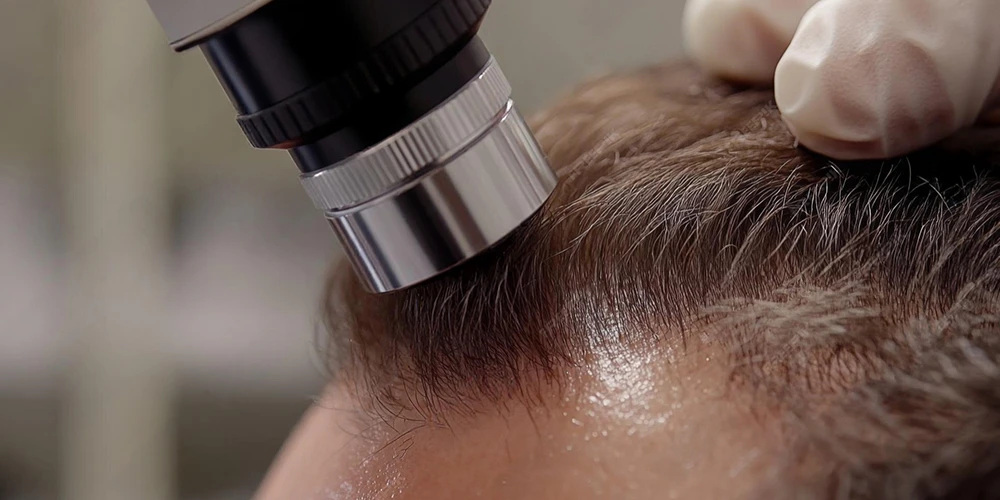
The Chain of Infection: Why It Matters
The scalp is highly vascular, which means it usually heals quickly. However, introducing bacteria into the deep dermis during implantation can lead to Folliculitis or, in severe cases, Necrosis (tissue death). If a graft becomes infected, it will not root; it will die and fall out, leaving a scar instead of hair. Therefore, the success of your surgery is directly linked to the sterility of the operating room.
The “Hospital-Grade” Standard in Istanbul
One of the reasons Turkey has become a medical tourism giant is its regulatory environment. Unlike some countries where hair transplants are performed in generic office spaces, top clinics in Istanbul operate within JCI (Joint Commission International) accredited hospitals or medical centers. This accreditation is the gold standard for global health care safety.
What Does “Hospital-Grade” Mean?
- Positive Pressure Rooms: Operating theaters use specialized ventilation systems that push air sortir of the room. This prevents airborne bacteria and dust from the corridor from entering the surgical zone.
- HEPA Filtration: The air is constantly scrubbed of microscopic particles, viruses, and bacteria.
- Sterile Fields: It’s not just about clean tools. The patient, the surgeon, and the technicians are draped in sterile gowns. Surfaces are disinfected with medical-grade agents between every single patient.
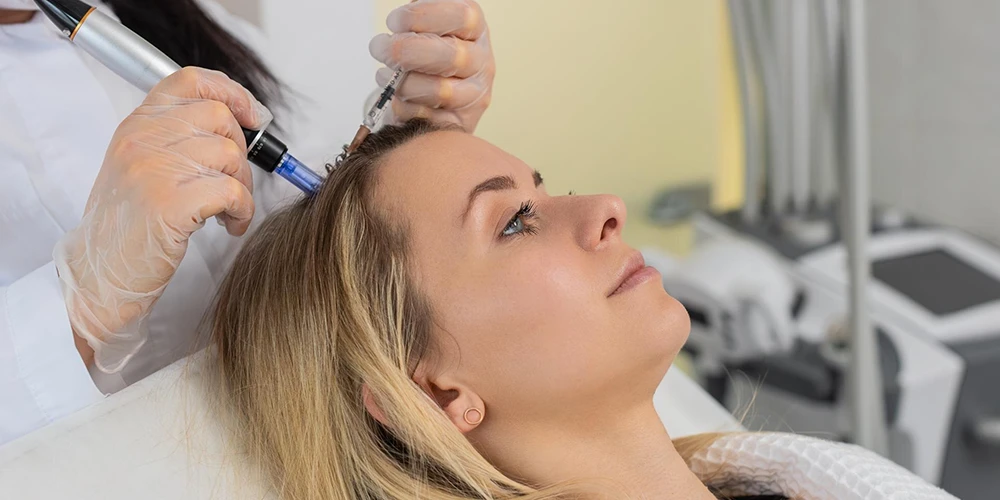
Single-Use Tools: The Non-Negotiable Rule
In the past, surgical tools were washed and reused. In modern Istanbul clinics, the highest hygiene standard is “Single-Use.”
Sapphire Blades
In a Saphir FUE procedure, the blade used to open channels is made of real sapphire crystal. These blades come in sealed, sterile packages and are used for one patient only. After your surgery, the blade is discarded. This eliminates any risk of cross-contamination (such as HIV or Hepatitis B) between patients.
DHI Implanter Pens
Similarly, the needles used in DHI (Implantation directe de cheveux) are single-use medical devices. While the pen body can be sterilized in an autoclave, the needle that penetrates your skin is new, sharp, and sterile every time.
The “Cold Chain” for Grafts
Hygiene isn’t just about bacteria; it’s about graft preservation. Once a hair follicle is extracted, it is cut off from its blood supply. It is vulnerable.
- Hypothermosol Solution: Top clinics store your extracted grafts in a specialized preservation solution (often chilled) rather than simple saline. This sterile solution feeds the cells and prevents them from degrading while they wait to be implanted.
- Petri Dish Sterility: The technicians sorting your grafts work under microscopes in a sterile field, wearing gloves and masks to ensure no contaminants touch the roots.
Red Flags: How to Spot a “Dirty” Clinic
If you are comparing clinics, look out for these warning signs that hygiene is being compromised to cut costs:
- Carpeted Floors: A surgical room should never have carpets or porous surfaces that trap bacteria. Floors should be hard, seamless, and easy to disinfect.
- Street Clothes: If you see staff walking into the procedure room in their street clothes or shoes without covers, run.
- Reused Punches: Ask the clinic explicitly: “Do you use new punches and blades for every patient?” The answer must be a definitive “Yes.”
Conclusion: Safety is the Foundation of Beauty
Conclusion: Safety is the Foundation of Beauty
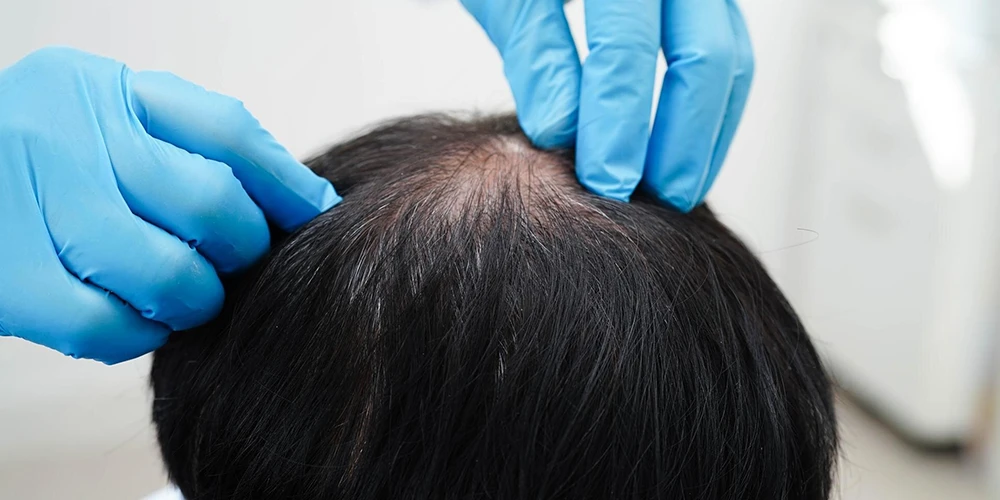
A beautiful hairline is the goal, but a safe, infection-free recovery is the requirement. Istanbul’s reputation is built on high-volume expertise, but its longevity is built on strict adherence to Ministry of Health and international hygiene standards. When you choose a clinic that prioritizes sterilization, you aren’t just buying safety; you are buying insurance for your grafts. Don’t let an invisible microbe ruin a visible result. To learn more about our safety protocols and hospital accreditations, contacter notre équipe aujourd'hui.
Foire aux questions (FAQ)
- What is JCI accreditation?
JCI (Joint Commission International) is a US-based non-profit that accredits hospitals worldwide based on rigorous standards for patient safety and quality of care. Turkey has one of the highest numbers of JCI-accredited hospitals in the world. - Can I get an infection after the surgery?
While clinic hygiene prevents infection pendant surgery, you must follow aftercare rules (like washing your hair and keeping the area clean) to prevent infection at home. - Are blood tests mandatory?
Yes. Every reputable clinic in Istanbul performs blood tests (for HIV, Hepatitis, Syphilis, etc.) avant surgery to protect both the patient and the medical team. - How do I know the tools are sterile?
You have the right to ask the surgeon to open the sealed packages of the Sapphire blades or DHI needles in front of you before the procedure starts. - Is COVID-19 still a concern in clinics?
Clinics maintain strict protocols including regular disinfection of surfaces, staff masking, and air filtration systems that effectively capture viruses, ensuring a safe environment for medical tourism.

 English
  Italian
  French
  German
  Arabic