
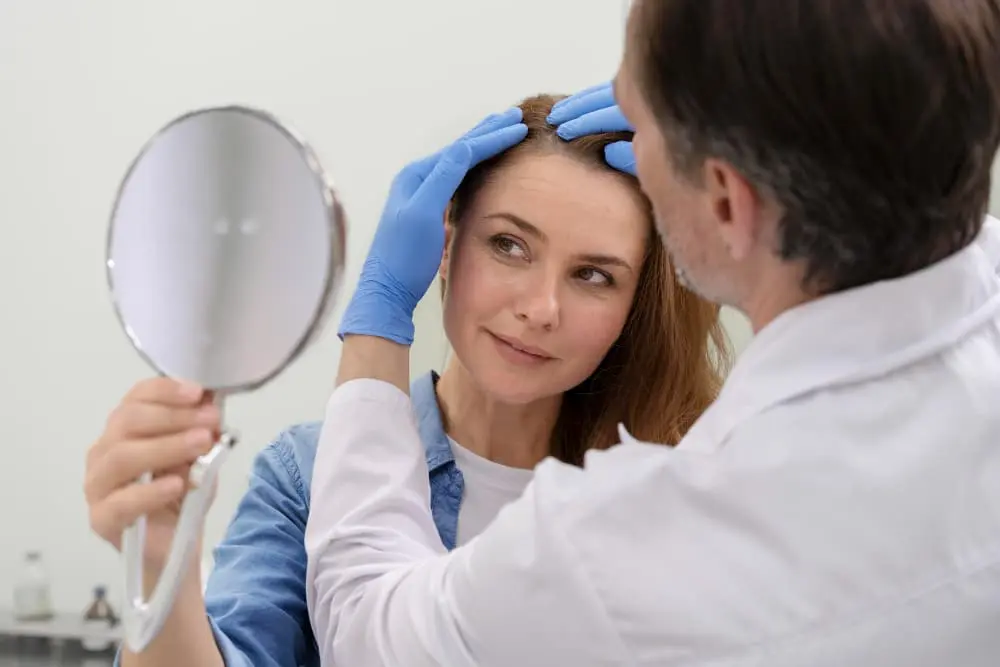
Hair loss can be a distressing experience for anyone, but for women, it can often carry a particularly heavy emotional burden. It can impact self-esteem, confidence, and overall quality of life.
Table des matières
ToggleFortunately, greffes de cheveux are no longer just a solution for men. Advances in technology and techniques have made hair transplantation a viable and effective option for women seeking to restore their natural beauty and regain their confidence.
Understanding Female Hair Loss
Hair thinning and loss in women is a prevalent issue that can significantly affect self-esteem and emotional well-being. It’s crucial to recognize the common causes, types, and emotional impact of this concern to empower women to seek effective solutions.
Several factors can contribute to hair thinning and loss in women, including:
- Génétique : Female pattern hair loss, also known as androgenetic alopecia, is the most common cause. It’s often hereditary and results in gradual thinning of hair on the scalp.
- Changements hormonaux : Hormonal fluctuations during pregnancy, ménopause, or due to conditions like polycystic ovary syndrome (PCOS) can trigger hair thinning and loss.
- Conditions médicales : Certain medical conditions like thyroid disorders, autoimmune diseases, and scalp infections can also lead to hair loss.
- Le stress : Chronic stress can disrupt the hair growth cycle and lead to excessive shedding.
- Nutritional Deficiencies: Inadequate intake of essential nutrients like iron, zinc, and biotin can weaken hair follicles and contribute to hair loss.
- Hairstyling Practices: Tight hairstyles and excessive heat styling can damage hair and lead to breakage and hair loss.
Types of Female Hair Loss
Hair loss in women can manifest in different ways, each with its unique characteristics:
- Perte de cheveux chez la femme: This type of hair loss typically involves gradual thinning of hair on the top of the scalp, often leading to a widening part.
- Effluvium télogène : This is a temporary form of hair loss triggered by stress, illness, or hormonal changes. It results in increased shedding all over the scalp.
- Alopecia Areata : This autoimmune condition causes patchy hair loss, resulting in smooth, round bald patches on the scalp.
- Traction Alopecia: Tight hairstyles like braids, cornrows, and ponytails can pull on the hair follicles, causing hair loss, particularly around the hairline and temples.
The Emotional Impact
Hair loss can have a profound emotional impact on women, affecting their self-image, confidence, and social interactions. It’s essential to acknowledge these feelings and seek support if needed.
How Common is it?
Hair loss in women is more common than you might think. Studies suggest that approximately 40% of women experience some degree of hair loss by the age of 50. While hair loss can be distressing, it’s important to remember that effective solutions are available.
By understanding the various aspects of female hair loss, you can take proactive steps to address the issue and explore treatment options that can help restore your hair and your confidence.
Hair Transplants for Women: How It Works
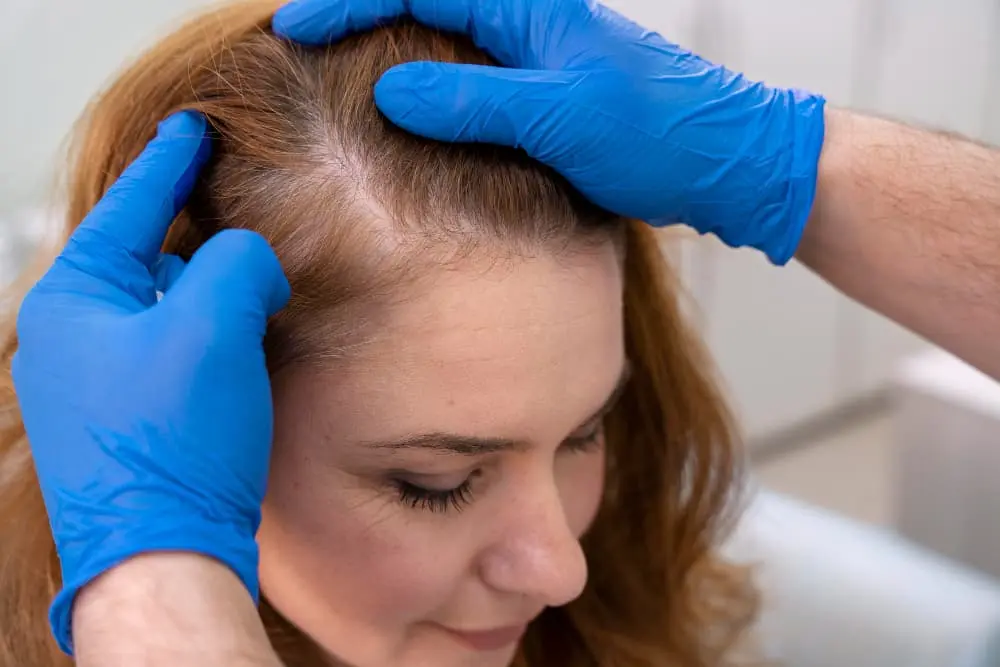
Cheveux greffes avoir long a été associé avec men, but les truth est que ils sont un equally viable et efficace solution pour femmes en cours d'expérience cheveux perte. Le présent procédure implique transplantation sain cheveux follicules de un zone de les cuir chevelu (les donateur zone) à les domaines en cours d'expérience éclaircissement ou calvitie, promouvoir naturel cheveux croissance en Ceux-ci domaines.
Are Hair Transplants Suitable for Women?
Absolutely! Hair transplant are a safe and effective option for women with various types of hair loss. Whether you’re experiencing female pattern baldness, traction alopecia, or hair loss due to trauma or scarring, it can help restore your natural beauty and boost your confidence.
How is Female Hair Transplant Different from Male?
While the core principle of hair transplantation remains the same for both genders, there are some key distinctions in the approach for women:
- Hair Loss Patterns: Men typically experience hair loss in a distinct pattern, often starting with a receding hairline and progressing to baldness on the crown. Women, on the other hand, usually experience diffuse thinning across the entire scalp, making the donor area selection and hairline design more nuanced.
- Zone des donateurs : Women generally have less available donor hair compared to men. This necessitates careful planning and selection of donor sites to ensure natural-looking results without compromising hair density in other areas.
- Hairline Design: The hairline design for women is typically more subtle and curved compared to men’s, requiring artistic precision and attention to detail to achieve a feminine and natural look.
Types of Hair Transplant Techniques for Women
Two primaire les techniques de greffe de cheveux sont commonly utilisé pour femmes:
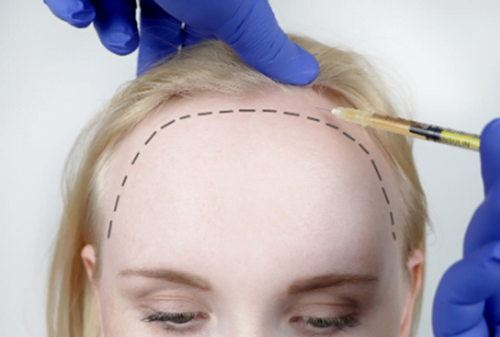
Folliculaire Unité Extraction (FUE)
Le présent au minimum invasif technique implique extraire individuel cheveux follicules de les donateur zone et transplantation les à les recipient zone. En les Méthode FUE, les zone où les transplantation volonté être réalisé est rasé, qui est pourquoi it is not souvent préférée par femmes avec long cheveux. Cependant, en certains cas, il peut être combinée avec les DHI méthode.
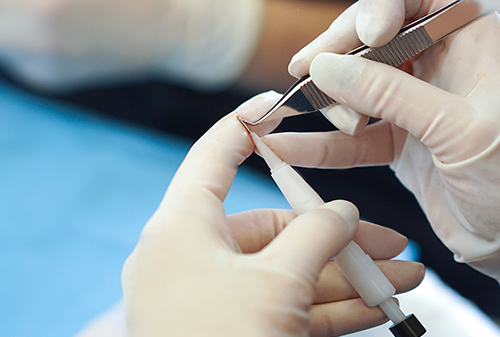
Direct Cheveux Implantation (DHI)
DHI is an advanced technique that enables precise placement of hair follicles using a specialized implanter pen. It offers better control over angle, direction, and depth, resulting in natural-looking, dense hair growth with faster recovery. DHI is popular among women as it doesn’t require shaving the area where grafts are implanted.
Les deux FUE et DHI sont efficace options pour femmes, et les choix de technique volonté dépendre sur divers facteurs, y compris les étendue de cheveux perte, cheveux caractéristiques, et individuel préférences. C'est cruciale à consulter avec a qualifiés spécialiste à déterminer les le plus adapté technique pour votre unique besoins et objectifs.
Who is a Good Candidate for a Hair Transplant?
Greffes de cheveux are a viable solution for many women experiencing hair loss, but it’s important to understand who makes a suitable candidate for this procedure.
While transplants are generally safe and effective for women, several factors influence whether you’re a good candidate:
- Type of Hair Loss: Hair transplants are particularly effective for women with female pattern hair loss (androgenetic alopecia) or hair loss caused by trauma or scarring. However, they might not be ideal for those with diffuse hair loss or certain medical conditions that cause ongoing hair shedding.
- Zone des donateurs : A successful transplant requires a healthy donor area with sufficient hair follicles for transplantation. Your hair specialist will assess the quality and density of your donor hair to determine its suitability.
- Santé générale : Your overall health is an important consideration. If you have any underlying medical conditions or are taking medications, it’s important to discuss these with your doctor before undergoing a hair transplant.
- Des attentes réalistes : It’s important to have realistic expectations about the results of a hair transplant. While the procedure can significantly improve hair density and appearance, it’s not a magical cure for all hair loss conditions.
Medical and Lifestyle Factors to Consider
Before undergoing a hair transplant, several medical and lifestyle factors should be considered:
- Conditions médicales : Certain medical conditions, such as bleeding disorders, uncontrolled diabetes, or autoimmune diseases, may affect your eligibility.
- Médicaments : Some medications can interfere with hair growth or healing, so it’s crucial to inform your doctor about any medications you’re taking.
- Fumer : Smoking can negatively impact blood flow to the scalp and hinder healing, potentially affecting the success of a transplant.
- Stress Levels: High levels of stress can contribute to hair loss and may impact the healing process after a transplant.
Hair Implant for Ladies: Is it Right for You?
The decision to undergo a hair transplant is a personal one. If you’re experiencing hair loss and its affecting your self-esteem or quality of life, it may be a suitable solution. However, it’s essential to have a thorough consultation with a qualified specialist to discuss your individual needs, expectations, and suitability for the procedure. They will assess your medical history, conduct a detailed scalp analysis, and create a personalized treatment plan to help you achieve the best possible results.
Remember, it can be a life-changing experience for women, providing a natural-looking solution to hair loss and restoring confidence. By carefully considering the factors mentioned above and consulting with a reputable hair transplant clinic, you can embark on a journey toward a fuller, more vibrant head of hair.
Recovery and Aftercare for Female Hair Transplants
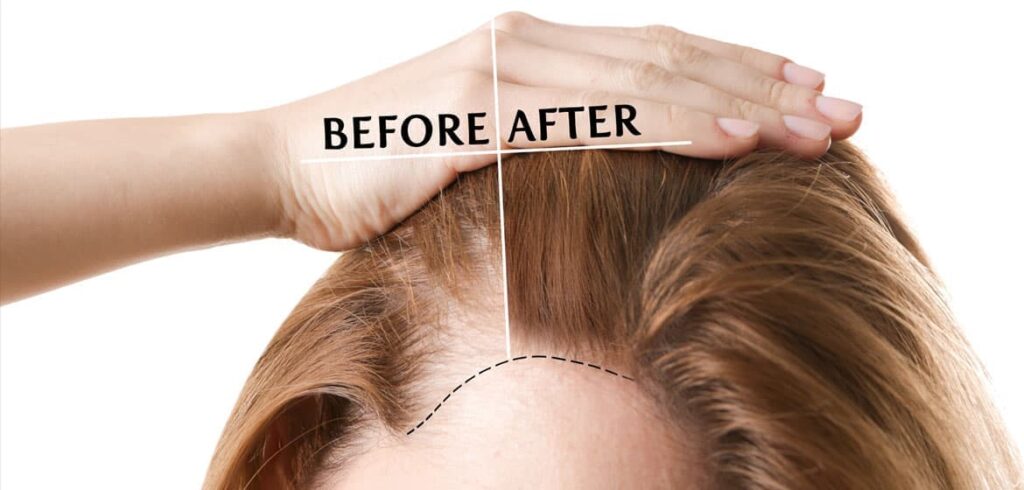
Understanding the recovery process and adhering to proper aftercare is essential for ensuring the success of your transplant and achieving optimal results.
Following a hair transplant, it’s normal to experience some mild side effects, including:
- Swelling and Redness: The scalp may be slightly swollen and red for a few days after the procedure.
- Tenderness: The recipient and donor areas might feel tender or sensitive to the touch.
- Scabbing: Tiny scabs will form around the transplanted hair follicles, which will naturally shed within 10 days.
- Temporary Hair Shedding: You might experience temporary shedding of the transplanted hairs within the first few weeks. This is normal and part of the hair growth cycle.
Ces côté effets sont généralement temporaire et s'atténuer à l'intérieur a peu semaines. C'est cruciale à suivre votre surgeon’s postopérationnel instructions avec soin à garantir a lisse et réussie récupération.
Post-Transplant Care Tips
Proper aftercare is crucial for optimizing the results. Here are some essential tips:
- Keep the Scalp Clean: Gently wash your scalp as directed by your surgeon, using a mild shampoo and avoiding harsh scrubbing.
- Éviter l'exposition au soleil : Protect your scalp from direct sunlight for the first few weeks to prevent damage to the transplanted follicles.
- Limit Strenuous Activity: Avoid strenuous exercise or activities that cause excessive sweating for the first few weeks.
- Maintain a Healthy Lifestyle: Eat a balanced diet, get enough sleep, and manage stress to promote healing and hair growth.
- Follow Up with Your Surgeon: Attend all follow-up appointments with your surgeon to monitor your progress and address any concerns.
When Will You See Results?
The results of a hair transplant are gradual and take time to fully manifest. You may notice initial hair growth within a few months, but it can take up to a year to see the full effects of the procedure. With proper care and patience, you can expect to enjoy a fuller, thicker head of hair that looks and feels natural.
Remember, every patient’s journey is unique, and your surgeon will provide you with personalized guidance on the expected timeline for your specific case.
Choosing the Right Hair Transplant Clinic

Selecting the right hair transplant clinic is crucial for ensuring a successful and satisfying experience. With numerous options available, it’s important to consider key factors before making your decision.
At Istanbul Hair Institute, we understand the unique needs of women experiencing hair loss. We offer a compassionate and personalized approach to hair restoration, ensuring that you feel comfortable and confident throughout your journey.
Our commitment to excellence is reflected in:
- Highly Skilled Surgeons: Our team of experienced surgeons specializes in hair transplants for women, utilizing their expertise to create natural-looking results.
- Technologie de pointe : We employ state-of-the-art technology and advanced techniques to deliver optimal results and minimize discomfort.
- Individualized Treatment Plans: We develop personalized treatment plans that address your specific hair loss concerns and goals.
- Exceptional Patient Care: We prioritize patient comfort and satisfaction, providing comprehensive support throughout the entire process.
Choose Istanbul Cheveux Institut pour votre cheveux et expérience les différence notre expertise et engagement peut faire en restauration votre confiance et naturel beauté.
Frequently Asked Questions about Hair Transplants for Women
Considérant a cheveux restauration procédure? C'est naturel à avoir questions à propos de les processus, son résultats, et ce que à s'attendre à. Nous allons adresse certains de les le plus fréquemment demandé questions femmes avoir à propos de cheveux greffes.
Oui, avec avancées en cheveux restauration techniques, en particulier DHI, les résultats peut être remarquablement naturel. Skilled chirurgiens avec soin sélectionner et lieu individuel cheveux follicules à mimic votre naturel cheveux croissance modèle, garantissant a sans couture mélange avec votre existants cheveux.
Le récupération période est typiquement court, avec le plus les individus returning à leur normal activités à l'intérieur a peu jours. Cependant, complet guérison et les shedding de transplanté poils peut prendre a peu semaines. Vous peut s'attendre à à voir nouveau cheveux croissance à l'intérieur 3-4 mois, avec complet résultats visible après à propos de a year.
Cheveux restauration procédures sont réalisé sous local anesthésie, donc vous won’t sentir tous douleur pendant les chirurgie. Certains doux gêne ou douleur peut être expérimenté en les jours suivants les procéduremais cette peut être managed avec en vente libre douleur médicaments.
The cost can vary depending on several factors, including the extent of hair loss, the chosen technique, and the clinic’s expertise. It’s essential to remember that hair restoration is an investment in your confidence and well-being, so prioritize quality and experience over price alone.
At Istanbul Hair Institute, we offer transparent pricing and competitive rates for our hair restoration procedures. We believe that everyone deserves access to high-quality hair restoration, and we strive to make our services accessible to a wide range of patients.

 English
  Italian
  French
  German
  Arabic