
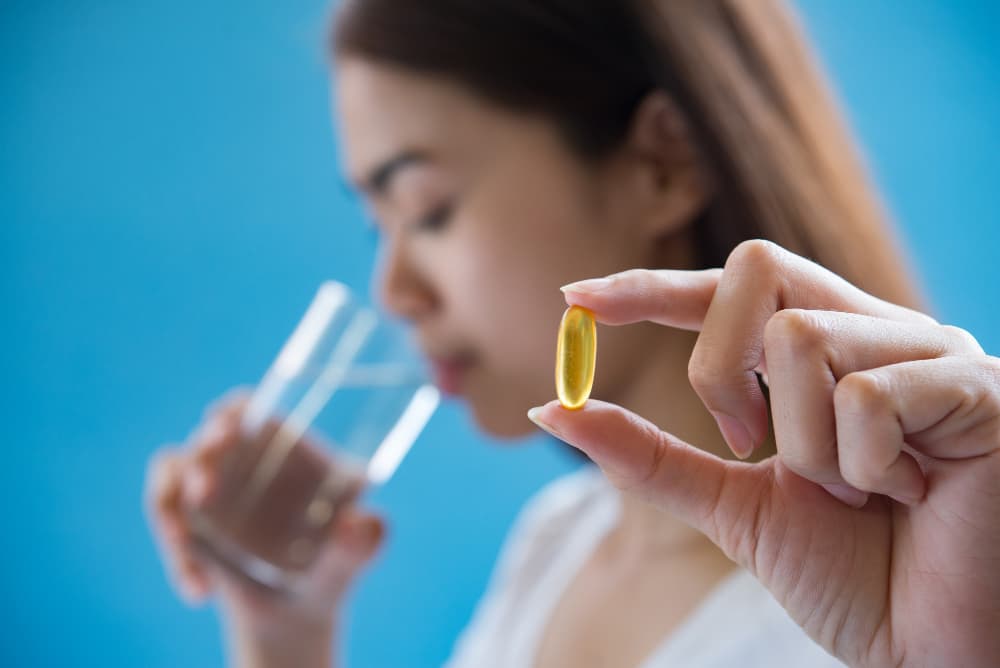
Vigorous hair growth is intrinsically connected to a balanced diet, and vitamin deficiencies can be a major, yet frequently underestimated, contributor to hair loss. While genetics and other elements are undoubtedly involved, supplying your body with the essential vitamins and minerals is paramount for maintaining a full, healthy head of hair.
Table des matières
ToggleThis guide will address the crucial question: which vitamin deficiency causes hair loss? We will examine the vital role specific vitamins play in maintaining hair health, explore how deficiencies can trigger shedding, and outline practical steps you can take to rectify them.
The Role of Vitamins in Hair Health
Vitamins and minerals are fundamental to maintaining healthy hair and encouraging optimal croissance des cheveux. They are indispensable for a multitude of biological processes that underpin the cycle de croissance des cheveux, and inadequacies can disrupt this intricate equilibrium, culminating in perte de cheveux or thinning.
The Hair Growth Cycle and the Importance of Vitamins:
- Anagène (phase de croissance) : Vitamins such as Biotin, Vitamin D, and Vitamin E are instrumental in the synthesis of keratin, the principal protein constituent of hair, thereby fostering healthy growth during this phase.
- Catagène (phase de transition) : Sufficient nutrient levels are equally vital during this brief phase, where croissance des cheveux decelerates, and the follicle undergoes involution.
- Télogène (phase de repos) : Nutritional inadequacies can prematurely propel hair follicles into this resting phase, ultimately leading to shedding.
In essence, vitamins and minerals serve as crucial cofactors in a myriad of enzymatic reactions that are essential for cell division, protein synthesis, and overall follicle function. Consequently, a vitamin deficiency can interfere with the normal cycle de croissance des cheveux, resulting in escalated shedding, retarded growth, and a deterioration in overall hair quality. Therefore, ensuring sufficient intake of essential vitamins forms the cornerstone of maintaining healthy hair.

Key Vitamin Deficiencies Linked to Hair Loss
While numerous factors can contribute to hair loss, it’s worth exploring the question of which vitamin deficiency causes hair loss, as certain deficiencies are frequently identified as underlying causes. Let’s delve into the intricate relationship between specific vitamins and their impact on hair health:
1.Vitamin D Deficiency
Often referred to as the “sunshine vitamin,” Vitamin D plays a more substantial role in hair health than commonly perceived. It is instrumental in modulating the cycle de croissance des cheveux and fostering the creation of new hair follicles.
- Role in Hair Follicle Cycling: Research indicates that vitamin D receptors are present within hair follicles and are implicated in the anagen (growth) phase of the hair cycle.
- Research: Scientific studies have established a connection between vitamin D deficiency and various forms of perte de cheveux, including alopecia areata, an autoimmune condition characterized by patchy perte de cheveux.
- Sources: Sunlight exposure, fatty fish (salmon, tuna, mackerel), egg yolks, fortified foods (milk, orange juice), and supplements.
2. B Vitamins: The Importance of Biotin
The B-vitamin complex is indispensable for overall health, and certain B vitamins, notably biotin (vitamin B7), are vital for maintaining healthy hair.
- Role of Biotin: Biotine is a key player in the synthesis of keratin, the primary structural protein of hair.
- Research: Although true biotin deficiency is infrequent, research has revealed a correlation between low biotin levels and l'amincissement des cheveux or loss.
- Sources: Eggs, nuts, seeds, salmon, avocados, sweet potatoes, and liver.
3. Iron Deficiency
Le fer is an essential mineral involved in numerous physiological functions, including oxygen transport and croissance des cheveux. Iron deficiency, also known as anemia, is a prevalent cause of perte de cheveux, especially among women.
- Impact on Hair Growth: Iron is crucial for the production of hemoglobin, which delivers oxygen to the hair follicles. Insufficient iron levels can deprive hair follicles of adequate oxygen, resulting in weaker, thinner hair and increased shedding.
- Research: Scientific investigations have demonstrated a link between low iron levels (ferritin) and different types of perte de cheveux.
- Sources: Red meat, spinach, lentils, beans, fortified cereals.
4. Zinc Deficiency: A Less Common Culprit in Hair Loss
Zinc is a trace mineral that participates in a multitude of bodily functions, including cell growth and division, both of which are critical for healthy hair.
- Role in Hair Tissue Growth and Repair: Zinc contributes to the proper functioning of the oil glands surrounding the hair follicles and supports hair tissue growth and repair.
- Link to Hair Loss: While less prevalent than other deficiencies, some studies suggest a potential association between zinc deficiency and hair loss, particularly telogen effluvium (temporary hair shedding). Therefore, when investigating which vitamin deficiency causes hair loss, zinc should be considered.
- Sources: Oysters, red meat, poultry, beans, nuts, whole grains.
5. Vitamin A: A Delicate Balance
Vitamin A is essential for cell growth, including hair cells. However, both insufficient and excessive vitamin A levels can contribute to perte de cheveux.
- Importance of Balance: Maintaining optimal vitamin A levels is paramount. Deficiency can hinder croissance des cheveux, while excessive intake can be toxic and also lead to perte de cheveux.
- Sources: Sweet potatoes, carrots, spinach, kale, liver, eggs.
6. Vitamin E
Vitamine E is a potent antioxidant that safeguards cells against damage.
- Antioxidant Properties: Vitamin E’s antioxidant properties may help shield hair follicles from oxidative stress, potentially contributing to healthy croissance des cheveux.
- Research: Some studies have revealed that individuals experiencing perte de cheveux have lower levels of Vitamin E in their systems. In one study, volunteers witnessed an increase in croissance des cheveux of up to 34.5% after eight months of Vitamin E supplementation.
- Sources: Sunflower seeds, almonds, spinach, avocados, and hazelnuts.
Remarque importante : Consulting with a healthcare professional is paramount to ascertain if you have a vitamin deficiency and to receive appropriate guidance on supplementation. Addressing these deficiencies, under medical supervision, can be a crucial step in managing perte de cheveux.
Diagnosing and Addressing Vitamin Deficiencies
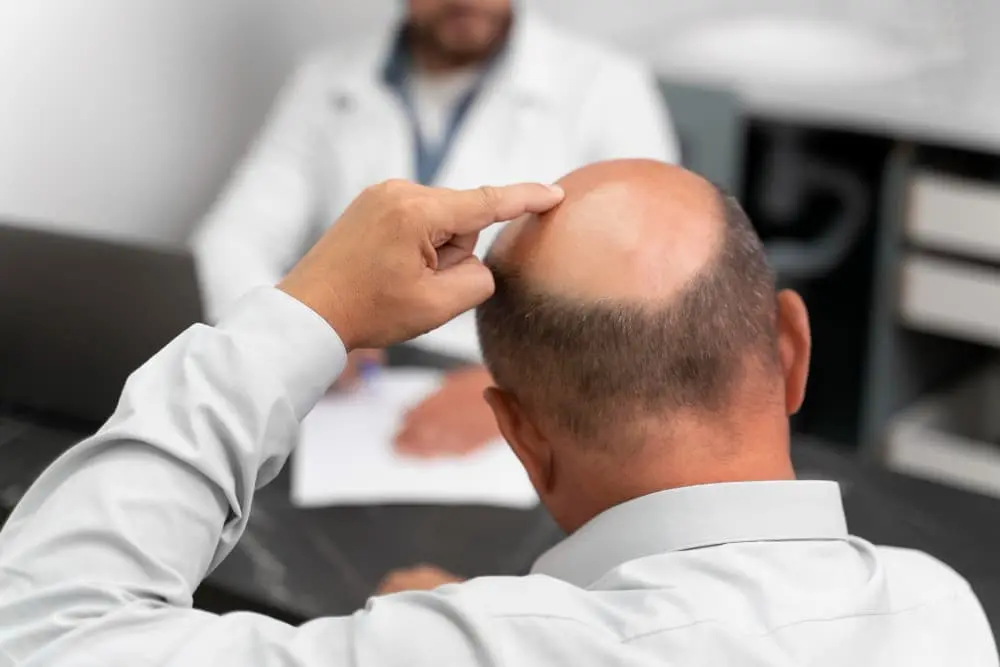
If you’re concerned about hair loss and wondering which vitamin deficiencies cause hair loss, seeking professional guidance for an accurate diagnosis and appropriate treatment is paramount. A physician or a hair specialist, such as those at Istanbul Hair Institute, can assist in determining the underlying cause of your hair loss and recommend a tailored treatment plan.
Identifying Deficiencies:
- Analyses sanguines : Straightforward blood tests can precisely measure the levels of various vitamins and minerals in your system, including vitamin D, B vitamins (including biotin), iron, and zinc. These tests can help identify any specific deficiencies that might be impacting your hair health.
- Medical Evaluation: A physician will also take into account your medical history, lifestyle, and other symptoms to exclude other potential causes of perte de cheveux.
Addressing Deficiencies:
Once a deficiency is confirmed, it can often be rectified through:
- Dietary Modifications: Your physician or a registered dietitian can provide personalized guidance on incorporating more nutrient-dense foods into your diet. For instance, increasing your consumption of leafy greens, nuts, seeds, and fatty fish can enhance your overall vitamin and mineral status.
- Supplementation: If dietary modifications alone prove inadequate, your physician might recommend specific vitamin or mineral supplements. It is crucial to take supplements under medical supervision to ensure proper dosage and prevent potential interactions with other medications.
Self-treating with supplements can be hazardous. Collaborating with a healthcare professional is essential to establish the appropriate course of action for your individual needs.
Treatment Options for Hair Loss at Istanbul Hair Institute
Institut du cheveu d'Istanbul is a renowned center for the diagnosis and treatment of various types of hair loss, including cases linked to vitamin deficiencies. Our seasoned team of specialists adopts a comprehensive and personalized approach to hair restoration, providing a range of cutting-edge treatment options tailored to each patient’s specific needs, especially if you’re wondering which vitamin deficiency causes hair loss and seeking a definitive answer.
Treatment Options We Offer:
- Thérapie par PRP (plasma riche en plaquettes) : Harnesses your body’s inherent growth factors to stimulate hair follicles and promote croissance des cheveux.
- Transplantation de cheveux : We specialize in both FUE (Follicular Unit Extraction) and DHI (Direct Hair Implantation) techniques, offering minimally invasive and natural-looking hair transplant procedures.
- Mésothérapie : Entails injecting a customized blend of vitamins, minerals, and other nutrients directly into the scalp to nourish hair follicles and improve hair health. This is commonly called Mezolift in Turkey.
- Medical Management: In specific cases, medications might be recommended to address underlying hormonal imbalances or other medical conditions contributing to perte de cheveux.
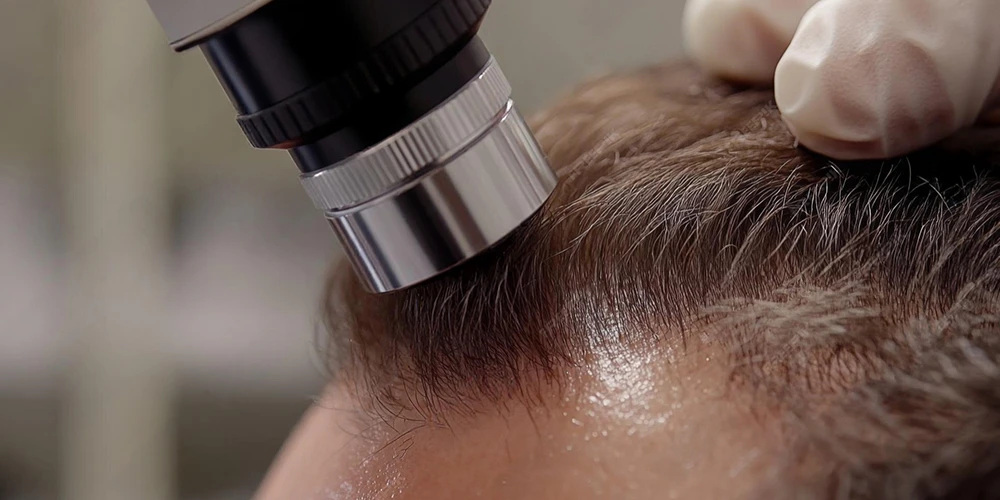
Our specialists will perform a thorough evaluation, including a detailed medical history and any necessary tests, to pinpoint the root cause of your perte de cheveux. Subsequently, we’ll formulate a personalized treatment plan that might combine various therapies to achieve optimal results.
Conclusion
This article has explored the crucial question: which vitamin deficiency causes hair loss? While vitamin deficiencies are just one potential factor, they can significantly impact hair health. If you’re grappling with perte de cheveux, seeking professional help to identify the underlying cause is paramount. At Institut du cheveu d'Istanbul, our experts can accurately diagnose the reason for your perte de cheveux, ascertain if a vitamin deficiency is a contributing factor, and create a customized treatment plan tailored to your specific needs. Do not hesitate to reach out to us for a consultation and take the first step towards restoring your hair and confidence.

 English
  Italian
  French
  German
  Arabic