
Your Essential Checklist: 5 Critical Questions to Ask Before Your FUE Transplant in İstanbu
İstanbul is the undisputed global capital of hair restoration, offering a dazzling array of clinics and highly skilled surgeons. This abundance of choice is a major advantage, but it can also be overwhelming for a prospective patient. In a market this competitive, how do you separate the truly world-class clinics from the rest? The answer lies in asking the right questions. Your consultation is not just a price inquiry; it is an interview. It is your single most powerful tool for quality control. Asking targeted, intelligent questions will reveal a surgeon’s expertise, ethics, and artistic philosophy, empowering you to make a decision with complete confidence.
Indice dei contenuti
Toggle
Question 1: "Am I an ideal candidate for this procedure, and what are the truly realistic results I can expect?"
Why This Question is Critical
This must be your first question, as it immediately serves as a test of the surgeon’s integrity. A truly professional and ethical medical practice is focused on patient outcomes, not on maximizing sales. Their primary goal is to determine if a FUE transplant will genuinely meet your needs and expectations. A reputable surgeon will not hesitate to advise against a procedure if the patient’s hair loss is not yet stabilized, if their donor area is weak, or if their expectations are unachievable. This question filters out clinics that operate with a “one-size-fits-all” mentality and are willing to promise the moon to every potential client.
What to Listen For in the Answer
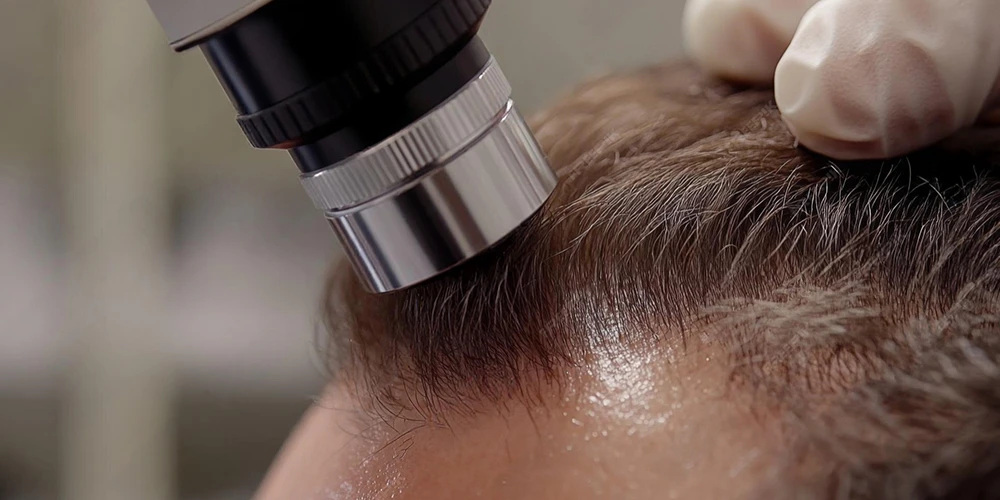
A red flag is a quick, blanket “yes” without a detailed analysis. A trustworthy surgeon will provide a comprehensive and personalized assessment. They should reference your specific level of hair loss on the Norwood scale (for men) or Ludwig scale (for women). They will carefully examine your donor area, discussing its density, the caliber of your hair follicles, and your scalp laxity. The discussion about results should be conservative and transparent. They should use phrases like “significant cosmetic improvement” and “natural-looking density” rather than “a full head of hair.” They should be able to show you a portfolio of past patients who had a similar degree of hair loss to yours, setting a clear and realistic benchmark for your own potential outcome.
Question 2: "Who, specifically, will be performing my FUE transplant—the surgeon or technicians—and what are their individual qualifications?"
Why This Question is Critical
This is one of the most important and misunderstood aspects of the hair transplant industry in Turkey. In the most effective clinical models, the FUE transplant is a team effort. However, the level of surgeon involvement can vary dramatically from one clinic to another. In some, the surgeon you consult with may only be responsible for drawing the hairline, leaving the entirety of the highly skilled extraction and implantation to technicians. This question demands transparency and helps you understand the experience level of every person who will be involved in your procedure.
What to Listen For in the Answer
Evasiveness is a major warning sign. A top-tier clinic will be proud of their team and transparent about their roles. The ideal answer involves clear surgeon leadership. For example: “I, the surgeon, will personally design your hairline and perform the entire canal opening stage, as this is the most critical artistic component. The extraction and implantation will be performed by my two senior technicians, who each have over 10 years of dedicated experience in FUE procedures and have been with my team for many years.” This demonstrates a structure of expert oversight and specialized skills. A clinic that is not forthcoming about their technicians’ experience is a clinic to be wary of.
Question 3: "Which specific FUE transplantation technique do you recommend for my case, and why is it the best choice for me?"
Why This Question is Critical
Asking this question shows that you are an informed patient who has done their research. It forces the surgeon to move beyond generic statements and justify their medical and technical approach. The hair transplant industry is filled with acronyms and brand names (Sapphire FUE, DHI, etc.), but what matters is which tool is right for your specific job. A clinic that only offers one method for all patients may not be the most advanced or patient-focused.
What to Listen For in the Answer
A detailed, personalized justification is what you’re seeking. The surgeon should be able to articulate perché a certain technique is optimal for you. For instance, they might say, “Given your goal for maximum density behind the hairline, I recommend Sapphire FUE. The V-shaped channels from the sapphire blades allow me to place the grafts closer together than traditional methods.” Or, “For adding density amongst your existing hair without shaving, the DHI method with its Choi implanter pen is the most suitable approach to avoid damaging native follicles.” The answer should be a logical explanation, not just a sales pitch.

Question 4: "What is your artistic philosophy for hairline design, and can you show me examples?"
Why This Question is Critical
A successful hair transplant is judged almost entirely on the naturalness of the hairline. This is where technical skill must merge seamlessly with artistry. A poorly designed hairline—one that is too low, too straight, or doesn’t match the patient’s age or facial structure—is the most common and tell-tale sign of a bad hair transplant. This question probes the surgeon’s aesthetic vision and their ability to create a result that is truly undetectable.
What to Listen For in the Answer
A great surgeon will speak like an artist. They will talk about creating a natural, age-appropriate hairline with “subtle irregularities” and “soft transitions.” They will reject the idea of a perfectly straight or rounded hairline, as these do not occur in nature. They should discuss the importance of the temporal points and how the hairline must be designed to frame your face harmoniously. Most importantly, they should be eager and proud to show you dozens of examples of their work, pointing out the nuances of the hairlines they have created for different patients.
Question 5: "What does the long-term post-operative plan involve, and how do you support international patients after they return home?"
Why This Question is Critical
For any patient travelling to İstanbul, this is a non-negotiable point of clarity. The clinic’s duty of care does not end when you get on the plane home. The 12 months following your FUE transplant are crucial for healing and hair growth. This question assesses the clinic’s commitment to your long-term success and provides a clear picture of the support system you will have when you are thousands of miles away.
What to Listen For in the Answer
A first-class clinic will have a robust and well-structured aftercare program. The answer should include a detailed set of written instructions, a complete kit of post-op supplies (special shampoos, medications, neck pillow, etc.), and a clear schedule for follow-ups. Critically, listen for how they handle communication. The best clinics will provide you with a dedicated patient coordinator and a reliable point of contact (like a WhatsApp number or direct email) that is monitored regularly. They should proactively schedule check-ins with you (e.g., at the 1-month, 6-month, and 12-month marks) to monitor your progress. This demonstrates a true partnership in your hair restoration journey.
Conclusion: The Right Questions Lead to the Right Clinic
Choosing your FUE transplant surgeon in İstanbul is one of the most important decisions you will make in this process. By arming yourself with these five critical questions, you transform from a passive customer into an empowered patient. You take control of the conversation and steer it toward the topics that truly matter: honesty, transparency, skill, artistry, and long-term care. A great surgeon and a high-quality clinic will not be intimidated by your questions; they will welcome them as an opportunity to demonstrate their excellence.
Ready to have a consultation where your questions are encouraged and answered with transparency? Contact our expert team today. Let us show you what a patient-first approach truly looks like. Follow us on Instagram and LinkedIn to see our commitment to artistry and results.

Domande frequenti (FAQ)
- Besides these five, should I also ask about the exact number of grafts? While you can ask, it’s more important to focus on the projected outcome and density. A fixation on the highest possible graft number can be misleading. Graft survival and artistic placement are far more critical than the raw number. A good clinic focuses on the final aesthetic result, not just hitting a graft quota.
- Is it a “red flag” if a clinic pressures me to book my procedure quickly with a special discount? Yes, this is a major red flag. A medical procedure is not a limited-time commodity. High-pressure sales tactics and expiring discounts are often signs of a business that prioritizes sales over patient well-being. A reputable medical clinic will give you all the information you need and allow you to make a decision in your own time.
- Is it appropriate to ask if I can speak to a former patient from my country? You can certainly ask, but do not be surprised if the clinic declines due to patient privacy laws (like GDPR). A better approach is to ask for a large portfolio of high-quality before-and-after photos and video testimonials. Top clinics will have extensive, verifiable results they are proud to share.
- What is ultimately the single most important factor when choosing a surgeon in İstanbul? While it’s a combination of factors, the surgeon’s direct, hands-on involvement in the artistic and critical stages of the procedure—specifically the hairline design and the creation of the recipient canals—is paramount. The most advanced technician cannot compensate for a poorly designed hairline.
- How can I verify a surgeon’s credentials and the clinic’s official registration? You can ask for the surgeon’s full name and check them against the Turkish Ministry of Health’s official doctor inquiry database (“Doktor Arama”). You can also verify their membership in international bodies like the ISHRS (International Society of Hair Restoration Surgery). The clinic itself should be registered as a licensed medical facility.

 English
  Italian
  French
  German
  Arabic