
Hair Transplant Revision in Istanbul: How Top Turkish Surgeons Correct Past Procedures
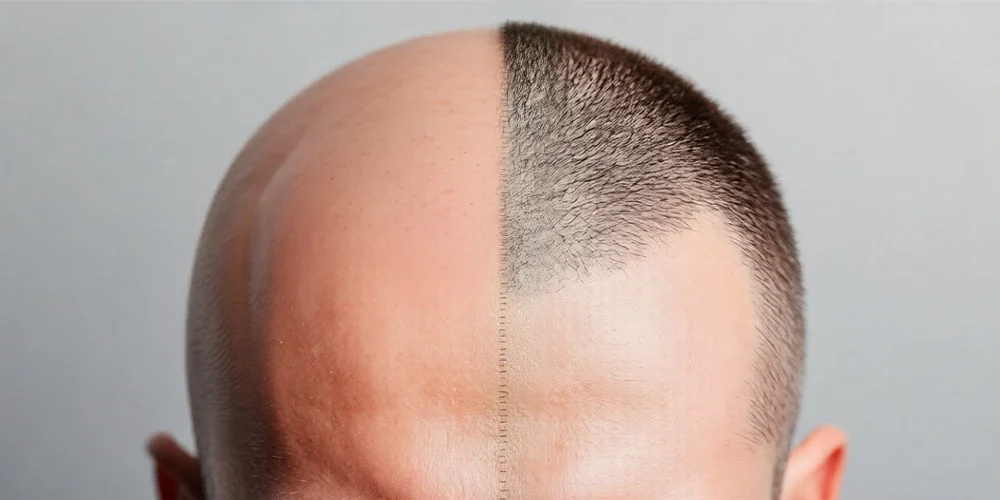
A hair transplant is supposed to be a life-changing investment in your confidence. But for some, the result is not the dream they imagined—it’s a source of daily frustration. Whether it’s an unnatural “doll-like” hairline, low density that looks patchy, or visible scarring, a botched hair transplant can be devastating. If you are in this situation, you are not alone, and more importantly, you are not without options. Istanbul, the global capital of hair restoration, has become the world’s leading center for Hair Transplant Revision. Here, expert surgeons specialize in the complex art of undoing past mistakes and crafting the natural result you deserved the first time. This guide explains how revision surgery works and why Turkey is the best place to fix a failed procedure.
Why Do Hair Transplants Fail?
Before fixing the problem, it is crucial to understand what went wrong. Most failed transplants stem from inexperienced technicians or outdated techniques.
- The “Pluggy” Hairline: This occurs when large grafts (containing 3-4 hairs) are placed in the very front row. Nature only puts single fine hairs at the front; anything else looks like a toothbrush or a doll’s head.
- Poor Angulation: Hair grows in specific directions (e.g., forward and sideways at the temples). If grafts are implanted straight up (90 degrees), they look unnatural and are impossible to style.
- Overharvesting: Taking too many grafts from the donor area (back of the head) can leave “moth-eaten” patches or visible scarring, making it difficult to wear short hair.
- Low Survival Rate: If grafts are mishandled during the first surgery, they may die, leading to a thin, patchy result despite a high graft count.
The Solution: How Revision Surgery Works

Revision surgery is significantly more difficult than a primary Trapianto di capelli. It requires a master surgeon who can act as both an architect and a demolition expert. There are three main strategies used in Istanbul:
1. Extraction and Recycling (Fixing the Hairline)
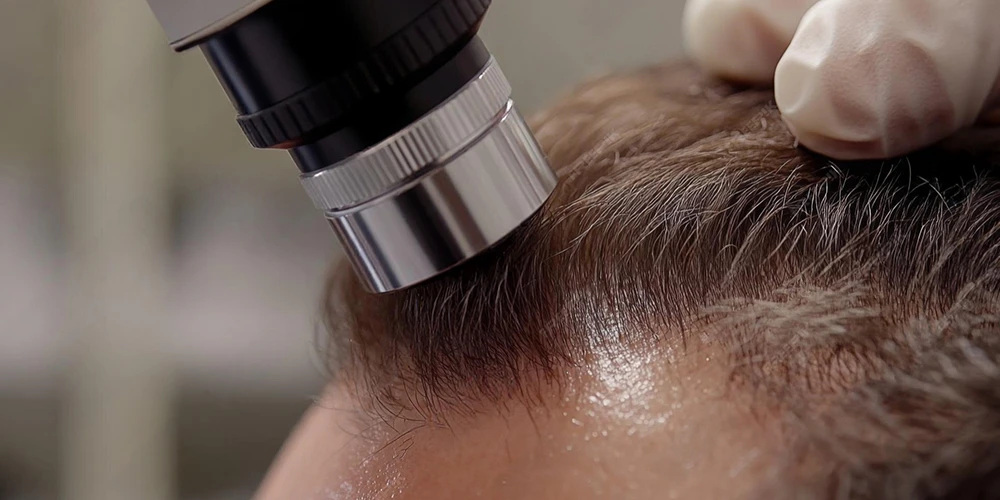
If the hairline is too low or “pluggy,” the surgeon will use FUE to carefully extract the bad grafts. These grafts are not thrown away. They are dissected under a microscope to separate them into single hairs and then re-implanted correctly further back to add density. This softens the harsh line and creates a natural transition.
2. Camouflage (Adding Density)
If the previous result is too thin or the angle is slightly off, the surgeon can perform a high-density Zaffiro FUE procedure. By placing new, correctly angled grafts in between the old, unnatural ones, they can hide the bad work without removing it. This adds volume and corrects the visual flow of the hair.
3. Scar Repair
For patients with visible scars in the donor area (often from old FUT strip surgeries or aggressive FUE), surgeons can transplant hair in the scar tissue to hide it. Alternatively, Scalp Micropigmentation (SMP) can be used to darken the scar, blending it with the surrounding hair.
The Techniques: Precision is Everything
In revision cases, every single graft is precious because the donor area is often limited. Istanbul clinics rely on the most precise tools available:
- Zaffiro FUE: The use of V-shaped sapphire blades minimizes tissue trauma, allowing surgeons to plant close to existing hairs without damaging them.
- DHI (Impianto diretto di capelli): This is often the preferred method for revisions. The Choi Pen allows the surgeon to implant new hairs between existing ones with surgical precision, controlling depth and angle perfectly to correct the “messy” look of a bad transplant.
Why Choose Istanbul for Revision?
Repairing a hair transplant is considered the “PhD level” of hair restoration. According to the Società internazionale di chirurgia ricostruttiva dei capelli (ISHRS), revision cases require superior anatomical knowledge. Because Istanbul handles the highest volume of hair transplant patients in the world, its top surgeons encounter—and fix—repair cases daily. They have developed “muscle memory” for correcting complex errors that surgeons elsewhere might rarely see.
Conclusion: A Second Chance at Confidence
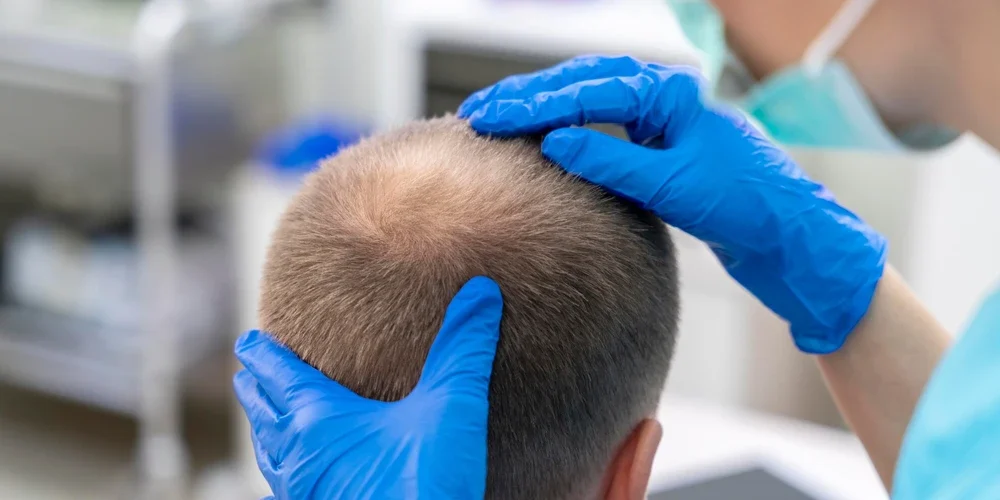
A bad hair transplant does not have to be permanent. With the right expertise, it can be corrected, camouflaged, or completely transformed. Istanbul offers the specialized skill set required to navigate the challenges of scarred tissue and limited donor hair, turning a source of regret into a source of pride. If you are unhappy with a past procedure, do not lose hope. Contact our expert team today for a confidential assessment of your repair options.
Domande frequenti (FAQ)
- How long must I wait before a revision surgery?
You generally need to wait at least 8 to 12 months after your first surgery. The scalp needs time to heal fully, and the final result of the first transplant must be visible before a surgeon can plan the repair. - Is revision surgery more expensive?
It can be slightly more expensive than a primary transplant because it takes longer and requires more technical skill. However, Istanbul prices remain significantly more affordable than the UK or US, even for complex repairs. - Can you fix a hairline that is too low?
Yes. We can extract the grafts that are too low using laser or FUE tools. However, removing grafts can leave tiny white dots, so the goal is often to soften the line rather than drastically raise it. - Do I have enough donor hair left?
This is the most critical question. During your consultation, we calculate your remaining donor supply. If your head donor area is depleted, we may use body hair (from the beard or chest) as a supplemental source for density. - Will the revision look natural?
Yes. By using single-hair grafts in the front and correcting the angles, experienced surgeons can achieve a result that looks 100% natural, even after a “botched” previous attempt.


 English
  Italian
  French
  German
  Arabic