

Dandruff is a common scalp condition characterized by persistent itching and the shedding of dead skin cells, which often appear as white flakes on the hair and shoulders. Although it is not contagious or medically serious, dandruff can be both embarrassing and uncomfortable.
Table of Contents
ToggleIn this article, we provide a comprehensive guide to understanding dandruff. We discuss the various factors that contribute to its development, review effective treatment options ranging from over-the-counter remedies to professional procedures, and explain how you can prevent it from recurring. Our goal is to help you achieve a healthier scalp and boost your confidence.
What is Dandruff?
This common scalp condition is marked by an accelerated shedding of dead skin cells, resulting in visible flakes and an itchy scalp. Normally, the scalp sheds a small amount of skin naturally, but in this case the process occurs too rapidly, making the flakes noticeable on your hair and even on your clothing.
It’s important to differentiate this from more serious disorders such as seborrheic dermatitis. While dry scalp or sensitivity to hair products might cause mild flaking, seborrheic dermatitis is an inflammatory condition that produces greasy, red, and scaly patches and may affect other areas of the body.
Although the condition itself is not harmful, the discomfort and visible signs can lead to embarrassment. Recognizing the difference between a simple case and a more severe issue is the first step toward finding an effective solution.

What Causes Dandruff?
Dandruff is a common condition, but its underlying causes can be quite varied. It’s not simply a matter of poor hygiene; several internal and external factors can contribute to that tell-tale flaking and itching. Understanding the potential root cause is key to finding the most effective treatment.
Common Causes:
- Dry Skin: Your scalp, like other areas of your skin, can become dry, leading to flaking. This is especially common during colder months or when harsh shampoos are used.
- Seborrheic Dermatitis: A more severe inflammatory condition that produces greasy, yellowish scales and intense itching due to excessive oil production.
- Malassezia Fungus: A naturally occurring yeast on the scalp can sometimes overgrow, triggering an inflammatory response and increased skin cell turnover.
- Sensitivity to Hair Products: Ingredients in shampoos, conditioners, styling gels, or dyes may irritate the scalp and cause contact dermatitis, resulting in flaking.
- Other Skin Conditions: Disorders like eczema and psoriasis can also affect the scalp, causing scaling that resembles this condition.
- Infrequent Shampooing: Inadequate washing can allow a buildup of dead skin cells, oil, and residue, while washing too often may dry out the scalp. Finding the right balance is important.
Identifying the specific cause is essential for determining the best treatment approach. If symptoms persist or worsen, consult a dermatologist or trichologist for further evaluation.

How to Get Rid of Dandruff: Treatment Options
Dealing with dandruff can be frustrating, but there are many effective treatment options available. The best approach depends on the underlying cause and the severity of the symptoms. Below are several methods ranging from over-the-counter solutions to prescription treatments and home remedies.
Over-the-Counter Shampoos
Specialized shampoos are often the first line of defense. These products typically contain active ingredients that target the factors contributing to the condition. Common ingredients include:
- Zinc Pyrithione: An antifungal and antibacterial agent that helps control the overgrowth of Malassezia.
- Salicylic Acid: Helps exfoliate the scalp and remove dead skin cells, reducing flaking.
- Selenium Sulfide: Works as an antifungal and slows down the growth of skin cells.
- Ketoconazole: A potent antifungal medication effective against various fungi.
- Coal Tar: Slows the rate of skin cell turnover and reduces scaling and dryness. (Note: Coal tar may stain light-colored hair and increase scalp sensitivity to sunlight.)
How to Use These Shampoos:
Follow the instructions on the product label carefully. Most should be lathered into the scalp and left on for 5 to 10 minutes before rinsing. Initially, daily or every-other-day use might be necessary; once symptoms improve, you can reduce the frequency. Rotating between different active ingredients can also enhance effectiveness and prevent the scalp from adapting to a single formula.
Prescription Treatments
If over-the-counter options do not provide sufficient relief, your doctor may prescribe stronger treatments such as:
- Prescription-Strength Antifungal Shampoos: These contain higher concentrations of ingredients like ketoconazole.
- Topical Corticosteroids: Used to reduce inflammation and itching associated with severe scalp conditions.
- Other Prescription Topicals: Additional medications may be recommended based on your specific needs.
Home Remedies
Some natural remedies are commonly suggested, though their effectiveness can vary. Popular options include:
- Tea Tree Oil: When diluted with a carrier oil such as coconut oil, tea tree oil may help reduce fungal growth due to its antifungal properties.
- Apple Cider Vinegar: Diluted apple cider vinegar rinses are sometimes used to balance scalp pH.
- Coconut Oil: Can help moisturize a dry scalp and reduce irritation.
Important Note:
Always perform a patch test before applying any home remedy to your entire scalp. If your symptoms persist or worsen, consult a dermatologist for professional advice. These treatments are designed to help manage the condition, but finding the most effective solution for you may require a combination of approaches.

Preventing Dandruff: Tips for a Healthy Scalp
Preventing this condition is often easier than treating it. Keeping your scalp healthy is essential for keeping those flakes at bay. Here are some practical tips:
- Regular Washing: Wash your hair regularly to remove dead skin cells, oil, and product buildup. However, avoid over-washing because stripping away natural oils can lead to dryness. The ideal frequency depends on your hair type and scalp condition.
- Choose the Right Shampoo: Select a shampoo suited to your hair and scalp needs. If your scalp tends to be dry, opt for a moisturizing formula. If you have an oily scalp, a clarifying shampoo may be more effective. If you’re uncertain, consult your doctor or a hair specialist.
- Manage Stress: Stress can trigger or worsen scalp issues. Incorporate stress-reducing practices such as yoga, meditation, or spending time in nature into your routine.
- Healthy Diet: A balanced diet rich in essential nutrients supports overall health including that of your scalp. Focus on consuming adequate amounts of zinc, B vitamins, and healthy fats.
- Avoid Harsh Hair Products: Limit styling products that contain harsh chemicals or alcohol as these can irritate your scalp and lead to dryness.
- Rinse Thoroughly: Make sure to rinse all shampoo and conditioner out of your hair to prevent residue buildup.
By following these tips, you can create a healthier scalp environment and reduce your risk of developing this condition.
When to See a Doctor
While most cases can be managed at home with over-the-counter shampoos and proper care, it’s important to consult a doctor or dermatologist if you notice any of the following:
- Severe or persistent dandruff that doesn’t improve after several weeks of treatment
- An excessively itchy, red, swollen, or painful scalp
- Thick, crusty scales or sores on your scalp
- Other skin conditions (such as eczema or psoriasis) affect your scalp
- Noticeable hair loss along with flaking
A healthcare professional can accurately diagnose the cause, rule out other conditions, and recommend the most appropriate treatment plan. They may suggest stronger medications or further tests to ensure you receive the right care.
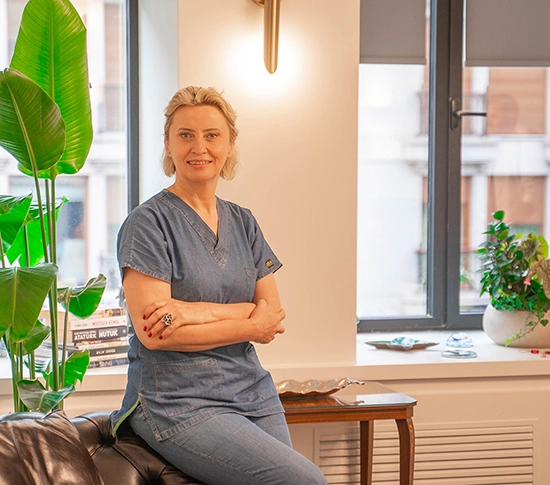
Istanbul Hair Institute: Expert Scalp Care
At Istanbul Hair Institute, we believe that a healthy scalp is the foundation for beautiful hair. Our experienced team of specialists offers comprehensive care for various scalp issues, including dandruff. We don’t just treat the symptoms; we work to identify the underlying causes and develop a personalized treatment plan tailored to your needs.
Our approach may include:
- Recommending specific over-the-counter treatments
- Providing in-house procedures for more targeted care
- Offering expertise in hair transplantation when appropriate
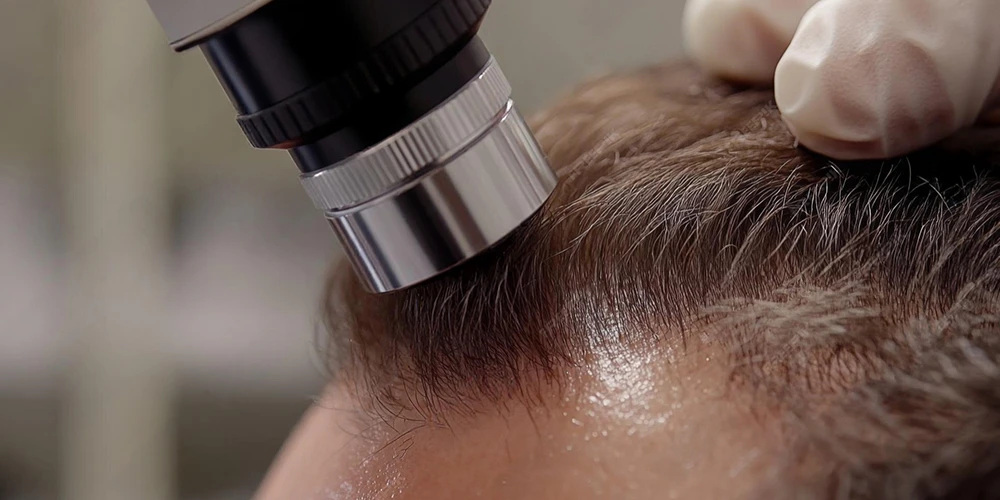
We combine advanced diagnostic techniques with effective treatments to restore your scalp to its best possible condition. If you’re struggling with persistent scalp issues, don’t hesitate to contact us. Schedule a consultation today and let our experts help you achieve a healthy, flake-free scalp.

 English
  Italian
  French
  German
  Arabic