Exosome Therapy for Hair Loss in Turkey: What is It and Is It Right for You?
For years, the gold standards for hair restoration have been clear:
Hair Transplants for permanent restoration and
PRP for maintenance. But recently, a new buzzword has taken over the clinics of Istanbul, promising to push the boundaries of biological repair even further. That word is
Exosomes. Often called “PRP 2.0” or “the future of regenerative medicine,” Exosome Therapy is rapidly becoming one of the most requested treatments by international patients visiting Turkey. But is it just hype, or is it a genuine breakthrough? This guide breaks down the science of Exosomes, how they compare to older therapies, and why Turkey is the ideal place to experience this cutting-edge treatment.
What Exactly Are Exosomes? (The “Mailman” of the Cell)
To understand Exosomes, you have to stop thinking about “cells” and start thinking about “communication.”
Exosomes are not cells. They are tiny nano-particles (extracellular vesicles) released by stem cells. Think of them as
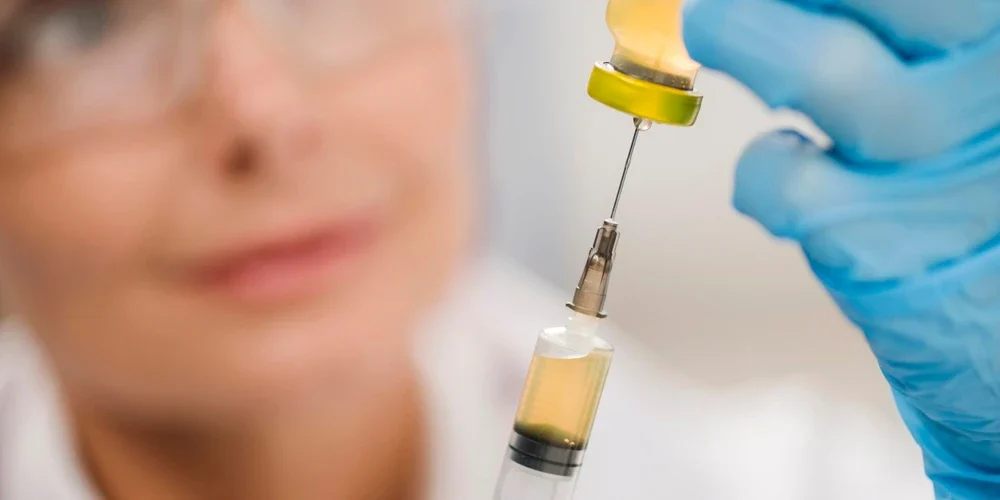
biological envelopes or messengers. Inside these envelopes, stem cells pack vital instructions—mRNA, growth factors, and proteins. When these exosomes are injected into your scalp, they travel to your hair follicles and deliver these messages. The instruction is simple but powerful:
“Heal, repair, and grow.”
How Does Exosome Therapy Fight Hair Loss?
Unlike traditional drugs that might block hormones, Exosome Therapy works by directly upgrading the cellular environment of your scalp.
- Waking Up Dormant Follicles: Many thinning hairs are just “sleeping” (stuck in the telogen phase). Exosomes signal these follicles to re-enter the active growth (anagen) phase.
- Reducing Inflammation: Chronic scalp inflammation is a silent killer of hair follicles. Exosomes have potent anti-inflammatory properties that calm the scalp and stop the attack on the roots.
- Potent Growth Factors: While PRP contains about 10-15 growth factors, lab-purified Exosomes can contain over 1,000 different growth factors and proteins, offering a massive biological boost.
Research published in medical databases like
PubMed highlights the potential of exosomes to promote hair regeneration by regulating the hair cycle and protecting follicle cells.
Exosomes vs. PRP: What is the Difference?
This is the most common question patients ask in Istanbul clinics. While both are regenerative, they are fundamentally different.
1. Source of the Magic
PRP (Platelet-Rich Plasma) relies on
your blood. If you are older, have poor health, or smoke, your PRP will be less effective because your platelets are “tired.”
Exosomes are derived from young, healthy donor stem cells (typically mesenchymal stem cells from umbilical cord tissue) in a lab. They are pure, potent, and consistent every time, regardless of your age or health.
2. The “Cell-Free” Advantage
Because Exosomes contain no genetic material (DNA) or live cells, there is virtually zero risk of rejection or immune reaction. It is considered a safe, “cell-free” therapy.
3. Frequency
PRP typically requires a series of 4-6 sessions to show results. Because Exosomes are so much more concentrated, many patients see significant improvements after just
1 or 2 sessions.
Why Turkey is a Hub for Exosome Therapy
While this therapy is available in the US and Europe, it often comes with a staggering price tag (often $3,000 – $5,000 per session). Turkey offers a unique advantage:
- Cost Efficiency: In Istanbul, you can access high-quality, lab-certified Exosome Therapy for a fraction of the global cost, often between €1,000 and €2,000.
- The “Combo” Protocol: Turkish surgeons are pioneers in combining therapies. It is now standard practice in top clinics to use Exosomes during a hair transplant. The exosomes are applied to the donor area to speed up healing and to the recipient area to boost the survival rate of the new grafts.
Is It Right for You? (The Ideal Candidate)
Exosome Therapy is powerful, but it is not a magic wand for everyone.
You ARE a Good Candidate If:
- You have early-stage thinning or diffuse hair loss.
- You want to thicken existing hair without surgery.
- You are having a hair transplant and want to maximize the density and healing speed.
- You have tried PRP but didn’t get the results you wanted.
You Are NOT a Good Candidate If:
- You are completely bald in the area. Exosomes need a living follicle (even a weak one) to work on. They cannot create a new hair root from nothing.
- You have an active scalp infection.
Conclusion: The Biological Upgrade
Exosome Therapy represents the next leap forward in hair restoration. It moves beyond simple maintenance to active cellular regeneration. For patients traveling to Istanbul, it offers a high-value opportunity to “future-proof” their hair. Whether you use it to supercharge your transplant or as a standalone rescue mission for thinning hair, Exosomes provide the most potent biological signal available today. To find out if this advanced therapy matches your needs,
contact our specialists for a consultation.
Frequently Asked Questions (FAQ)
- How is the treatment performed?
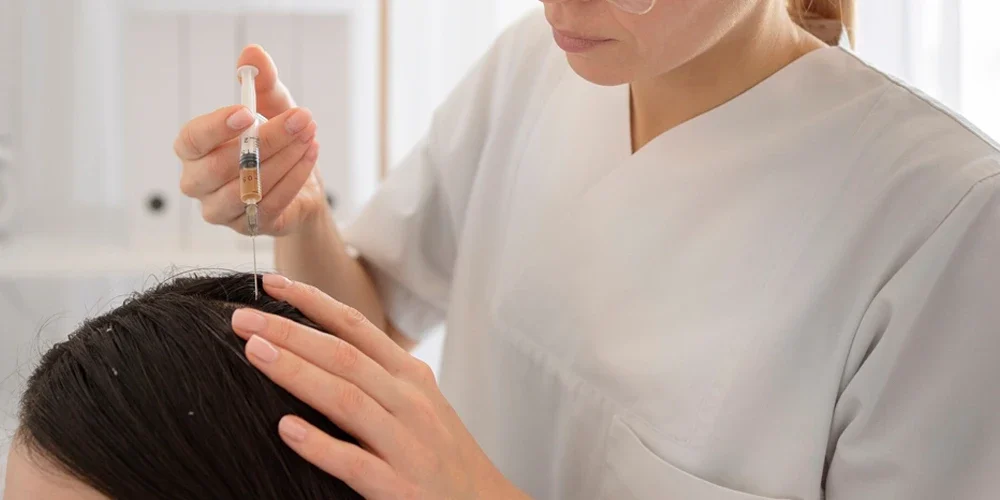
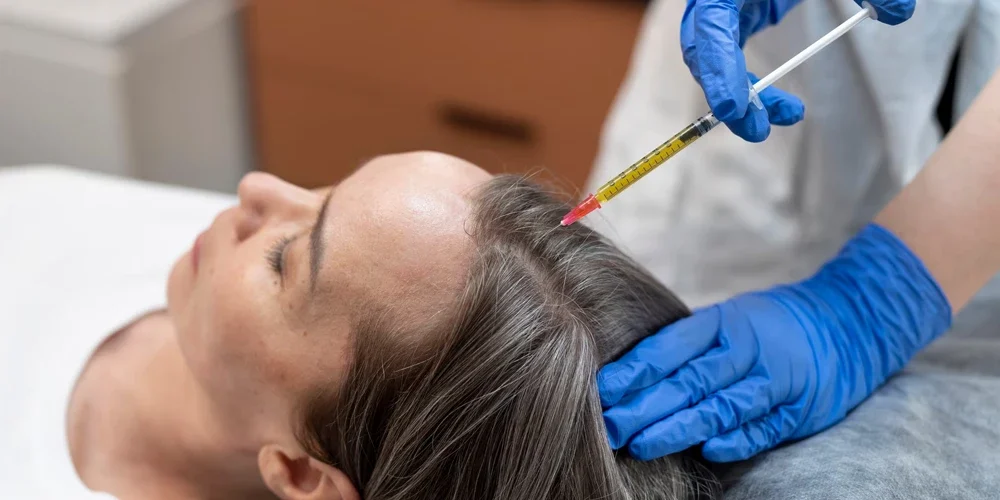
It is very similar to PRP. The exosome solution is injected into the scalp using tiny needles or applied via microneedling. The procedure takes about 20-30 minutes and is virtually painless with local anesthesia.
- When will I see results?
Hair growth is slow. You will typically notice a reduction in shedding within 4-6 weeks, with visible thickening and new growth appearing around the 3 to 4-month mark.
- Is it safe?
Yes. Because exosomes are “cell-free” and do not contain DNA, there is no risk of the body rejecting them or forming tumors. They are strictly purified in accredited laboratories.
- Do I need to repeat it?
Results vary, but a single session can provide benefits for 6 to 12 months. Some patients opt for a booster session once a year to maintain the density.
- Can I fly home immediately?
Yes. There is zero downtime. You may have mild redness on the scalp for 24 hours, but you can resume normal activities and travel immediately.


 English
  Italian
  French
  German
  Arabic