
FUE Hair Transplant Donor Area Protection: Istanbul Clinics’ Expert Strategies for Lasting Results
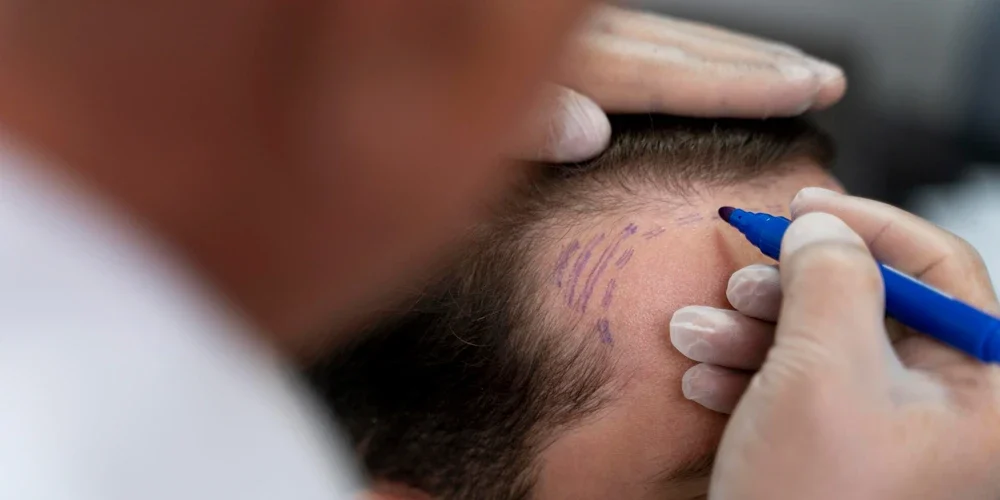
When most people dream of a hair transplant, they visualize the hairline: a crisp, dense, youthful frame for their face. While the recipient area (where the hair goes) gets all the glory, the success of the surgery actually depends on the donor area (where the hair comes from). The back and sides of your head are your “bank account” for hair restoration—and like any bank account, if you withdraw too much, you go bankrupt.
A poorly managed donor area can result in a patchy, “moth-eaten” appearance or visible scarring that makes short haircuts impossible. This is why Istanbul has become the global leader in FUE Hair Transplants. Top Turkish surgeons don’t just focus on planting hair; they are masters of Donor Management. They employ advanced extraction strategies to ensure that even after removing thousands of grafts, your donor area looks virtually untouched. This guide reveals the expert techniques used in Istanbul to protect your most valuable asset.
The “Safe Donor Zone”: Defining the Limits
The first rule of donor protection is knowing exactly where to harvest. Not all hair on the back of the head is permanent.
- The Sweet Spot: The true “Safe Donor Zone” is a specific band of hair on the back and sides of the scalp that is genetically resistant to the hormone DHT (Dihydrotestosterone), which causes balding.
- The Risk: If a surgeon extracts grafts from outside this zone (too high towards the crown or too low towards the neck), those hairs may eventually fall out years later, or the extraction sites may leave visible scars.
Istanbul’s expert surgeons carefully map this zone before surgery, calculating exactly how many grafts can be safely removed without compromising density.
Strategic Extraction: The Art of Homogenization
The difference between a world-class transplant and a “botched” job often comes down to Homogenization. This is the technique of spreading the extraction evenly across the entire donor area.
The 1:4 Rule
To maintain natural density, surgeons typically follow a ratio (often 1:4 or 1:5). This means for every graft they extract, they leave 3 or 4 surrounding grafts untouched. By thinning the area uniformly rather than taking a large block of hair from one spot, the reduction in density is invisible to the naked eye. This prevents “patches” of baldness.
Technology: Micro-Punches and Low-RPM Motors
The tool matters just as much as the technique. In Istanbul, the standard for extraction has evolved to prioritize tissue preservation.
Micro-Punches (0.6mm – 0.8mm)
Leading clinics use ultra-fine punches that are often less than 1mm in diameter. These tiny tools extract the follicle with minimal damage to the surrounding skin. The result is that the tiny holes heal within days, shrinking to microscopic white dots that are virtually undetectable, even with a short fade haircut.
Sapphire FUE Precision
While Sapphire blades are used for opening channels in the recipient area, the Sapphire FUE philosophy extends to the donor area by emphasizing minimal trauma. Advanced micromotors operate at low RPMs (rotations per minute) to prevent heating the tissue, which protects the health of the neighboring follicles.
Post-Op Care for the Donor Area
Once the surgery is done, the healing process begins. Proper aftercare is critical to preventing infection and ensuring the micro-scars heal invisibly.
- Days 1-3: You will wear a bandage on the donor area to keep it sterile. It is crucial to sleep with a neck pillow to prevent pressure on the recipient area, but pressure on the donor area is generally safe and can help stop minor bleeding.
- Cleaning: Istanbul clinics provide special lotions and medical shampoos to soften the scabs. Gentle washing helps the tiny wounds close cleanly.
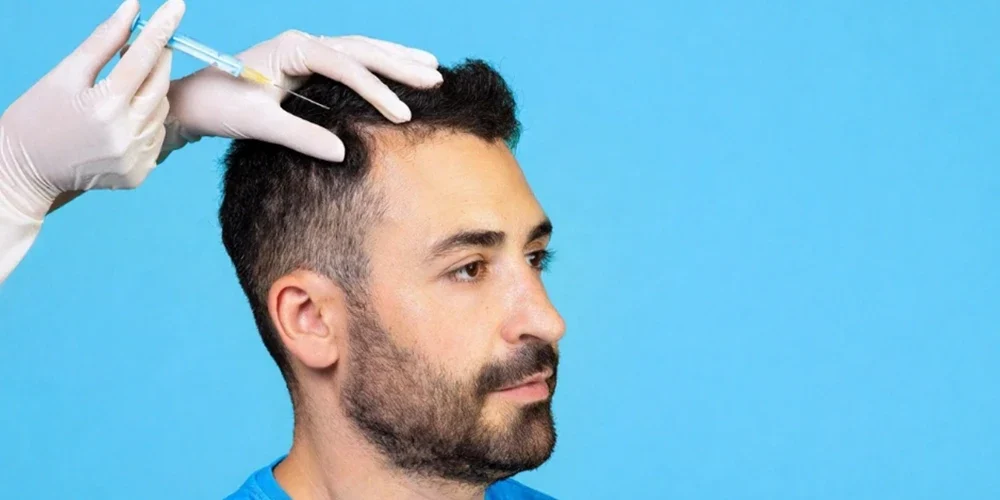
- PRP Treatment: Almost all top packages in Istanbul include a PRP session. Injecting Platelet-Rich Plasma into the donor area accelerates healing, reduces redness, and helps the remaining hair thicken up faster.
What Happens if the Donor Area is Overharvested?
If you choose an inexperienced clinic that promises “maximum grafts” without considering safety, you risk Overharvesting. This leaves the donor area looking thin and scarred. While difficult to fix, strategies like Scalp Micropigmentation (SMP) can be used to camouflage the scarring, or in some cases, body hair (from the beard) can be transplanted into the scars to add coverage.
Conclusion: A 360-Degree View of Beauty
A successful hair transplant should look great from every angle—front, top, and back. The “Istanbul Standard” of care involves a rigorous commitment to preserving your donor area, ensuring that you don’t trade one problem (balding on top) for another (balding in the back). By choosing a clinic that prioritizes safe zone planning and homogenous extraction, you are investing in a result that is sustainable for a lifetime. To discuss your donor capacity and hair restoration options, contact our team for a professional assessment.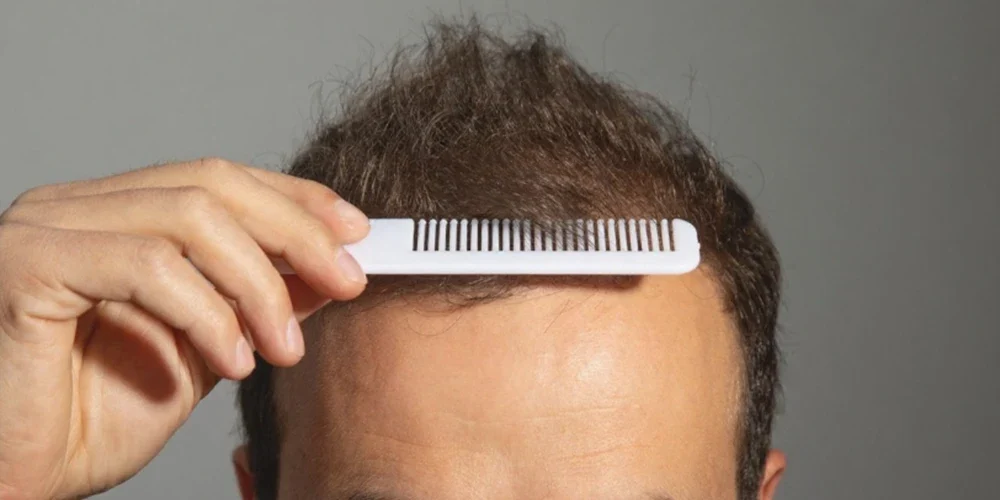
Frequently Asked Questions (FAQ)
- Does the hair in the donor area grow back?
No. The specific follicles that are extracted are moved permanently to the top of your head. They will not grow back in the donor area. This is why “homogenization” (spreading out the gaps) is so important to hide the reduction in density. - Will I have scars?
FUE leaves tiny, dot-like micro-scars that are generally invisible to the naked eye once the surrounding hair grows to a length of #1 or #2 guard. It does not leave a linear scar like the old FUT strip method. - How many grafts can be safely taken?
This depends on your individual density. An average patient has 6,000-8,000 available grafts in the bank. A safe single session usually extracts a maximum of 3,000-4,000 grafts to allow the skin to heal properly. - Does the donor area hurt after surgery?
You may feel some itching or a burning sensation for a few days as the nerves heal. Aloe vera gel (often provided by the clinic) is excellent for soothing this area. - Can I get a skin fade haircut after a transplant?
Yes. Because modern FUE techniques in Istanbul use such small punches, most patients can wear very short skin fade haircuts without any visible signs of surgery once the area has fully matured (after 6-12 months).

 English
  Italian
  French
  German
  Arabic