
Your Complete Guide to Hair Transplant Recovery in Istanbul: Timeline and Aftercare Tips
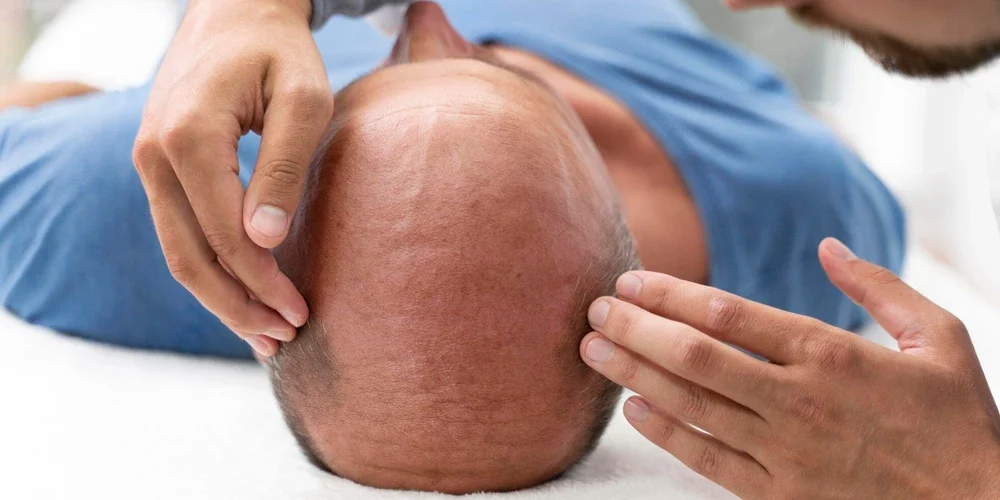
So, you have taken the plunge. You flew to Istanbul, trusted expert hands with your hairline, and now you are looking in the mirror at your newly implanted grafts. Congratulations! The surgery part is done. However, experts often say that a successful Hair Transplant is 50% the skill of the surgeon and 50% the quality of the aftercare. The first few weeks are critical for the survival of your new follicles. This comprehensive guide breaks down the recovery timeline day by day and month by month, helping you navigate your healing journey in Istanbul and back home with total confidence.
The Immediate Aftermath: Days 1-3 (The “Do Not Touch” Phase)
The first 72 hours are the most crucial. Your grafts are fragile and are just beginning to anchor themselves into the blood supply.
- Day 1 (The Day After Surgery): You will return to the clinic for a bandage removal and check-up. You may experience some swelling (edema) in the forehead. This is normal. Clinics in Istanbul will provide you with a special headband to prevent this swelling from moving down to your eyes.
- Sleeping: You must sleep on your back, slightly upright (using two pillows), with a neck pillow. This prevents you from turning over and rubbing the recipient area against the pillow.
- Pain Management: Discomfort is usually mild. The “care kit” provided by your clinic will include mild painkillers, antibiotics to prevent infection, and anti-inflammatory medication.
The First Wash and Scab Phase: Days 4-10
Before you fly home, your clinic will usually perform the first wash. They will teach you the specific technique to clean your scalp without dislodging grafts.
The Washing Ritual
For the first 10 days, you will wash your hair daily using a special foam and shampoo (usually containing panthenol/biotin).
- Soften: Apply the moisturizing lotion/foam and let it sit for 30-45 minutes to soften the scabs.
- Rinse: Rinse gently with lukewarm water (low pressure).
- Shampoo: Lather the medical shampoo in your hands and gently pat it onto the grafted area. Do not rub.
By Day 10, the goal is to have removed all scabs. The tiny crusts that formed around the grafts should fall off, leaving a clean, pink scalp. Proper removal of scabs allows the skin to breathe, a crucial step for healing emphasized by the International Society of Hair Restoration Surgery (ISHRS).
The “Ugly Duckling” Phase: Weeks 2-4
This is the period that causes patients the most anxiety, but it is completely normal. Around week 3 or 4, you will likely experience Shock Loss. The newly transplanted hairs will fall out. Do not panic. The follicles (roots) remain safely under the skin; only the hair shafts are shedding. This is a temporary reset phase before new growth begins.
The Growth Timeline: What to Expect
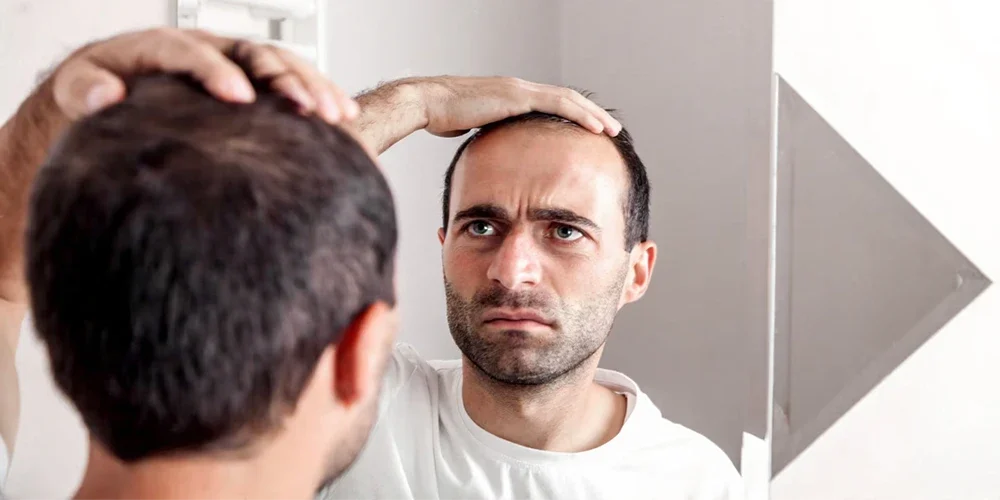
Hair growth is a marathon, not a sprint. Here is when you will see changes:
- Months 1-3: The dormant phase. You may look much like you did before surgery. Patience is key.
- Month 3-4: The “pop-up” phase. You will start to feel fine, baby-like hairs poking through. About 10-20% of growth is visible.
- Month 6: Significant progress. Around 50-60% of hairs have emerged. They are getting thicker and longer. This is often a great time to boost results with PRP Treatment.
- Month 12: The final result. You should see 90-100% of the growth. The hair will be thick, mature, and fully styled.
It is important to note that for the crown area (vertex), full circulation takes longer, so full results may take up to 18 months.
Crucial Aftercare Tips for Maximum Density
To ensure every graft survives and thrives, follow these golden rules during your recovery.
1. Avoid Sun and Sweat
For the first month, keep your scalp out of direct sunlight. UV rays can damage healing skin and cause hyperpigmentation. Wear a loose bucket hat (provided by most clinics) if you go outside. Also, avoid heavy exercise (gym, running) for at least 2-3 weeks to prevent sweating and increased blood pressure, which can dislodge grafts.
2. Nutrition Matters
Your hair needs fuel to grow. A diet rich in protein, iron, Zinc, and Vitamins A, C, and E is essential. Many surgeons recommend supplements like Biotin specifically for hair health.
3. Say No to Smoking and Alcohol
This is non-negotiable. Smoking constricts blood vessels, reducing the oxygen supply to your new grafts, which can lead to graft death. Alcohol thins the blood and can cause bleeding. Avoid both for at least 2 weeks post-op (and ideally longer for smoking).
4. Follow the Technique
Whether you had a standard FUE or a Sapphire FUE transplant, the healing principles are similar, though Sapphire channels often heal faster. Stick to the specific washing and medication schedule your doctor prescribed.
Conclusion: Trust the Process
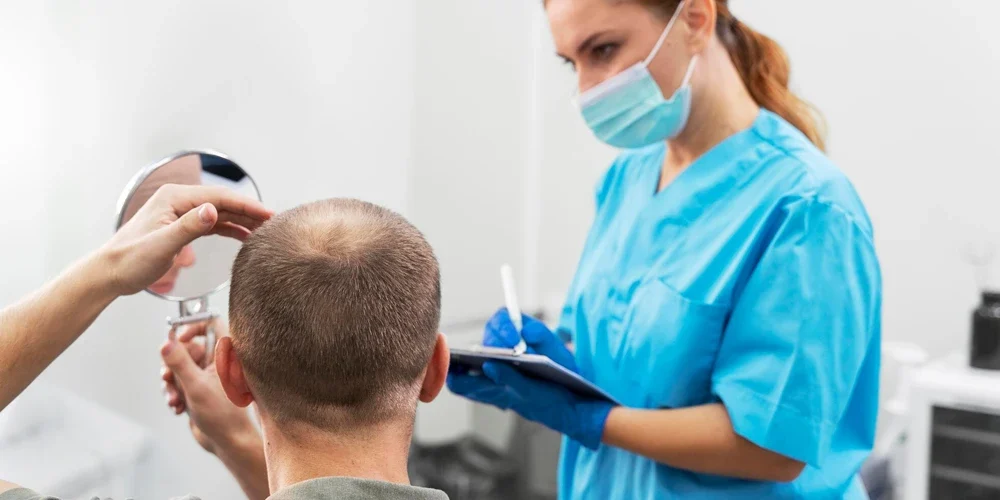
Recovering from a hair transplant is a journey of patience. There will be days of swelling, days of shedding, and days of waiting. But remember, thousands of men and women travel to Istanbul every month and return with life-changing results. By following these guidelines and trusting your surgeon’s advice, you are setting the stage for a lifetime of confidence. If you have any concerns during your recovery, our team is always just a message away. Contact us for any post-op questions.
Frequently Asked Questions (FAQ)
- When can I wear a normal cap or hat?
You should wait at least 10-14 days before wearing a tight baseball cap or wool hat. For the first two weeks, stick to the loose bucket hat provided by the clinic. - Can I scratch my head?
Absolutely not during the first 10 days. Scratching can dislodge grafts. If you feel itching (a sign of healing), you can spray the saline solution provided by your clinic or tap the area very gently. - When can I get a haircut?
You can cut the donor area (back and sides) with scissors after 1 month. Avoid using clippers/shavers on the recipient (transplanted) area for at least 3 months, and ideally 6 months. - How do I sleep after the first week?
After day 7-10, once the grafts are anchored, you can return to your normal sleeping position. However, continue to use a clean pillowcase. - Is shock loss permanent?
No. Shock loss is a temporary physiological response to the trauma of surgery. The hair will grow back stronger after the resting phase.

 English
  Italian
  French
  German
  Arabic