
Sapphire FUE vs. Classic Steel Blade: The İstanbul Perspective on Precision and Healing
The FUE (Follicular Unit Extraction) hair transplant is the gold standard in modern hair restoration. However, even within the FUE method, innovations are constantly pushing the boundaries of what is possible in terms of density and recovery. One of the most critical stages of the procedure is “channel opening,” where the surgeon creates the incisions for the new hair follicles. The tool used for this step has become a major point of differentiation.
The debate between classic steel blades and modern sapphire blades is at the heart of this evolution, and in a hyper-competitive market like İstanbul, adopting the superior technology is not just an option—it’s the standard. This is the expert İstanbul perspective on why the tool used for this critical step matters so much for your precision and healing.
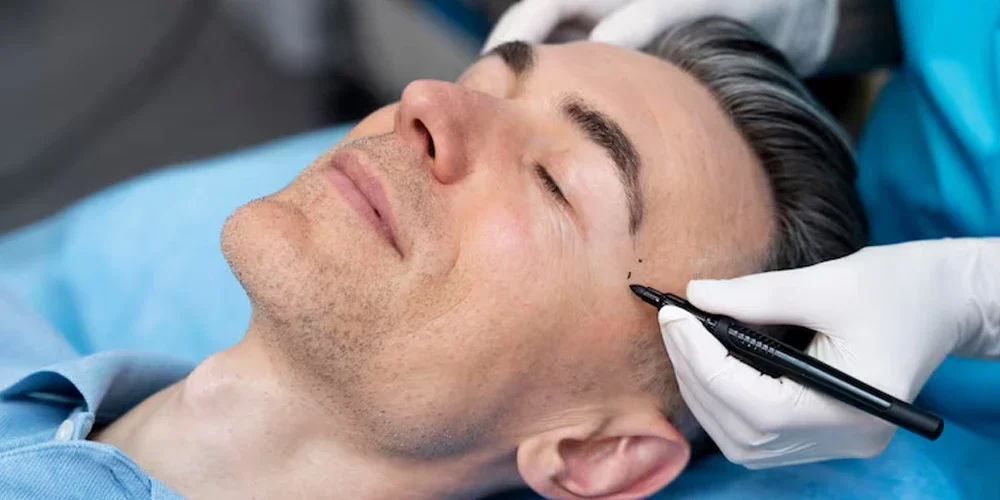
What is “Channel Opening” in an FUE Transplant?
To understand the difference, you must first understand the process. After your hair follicles (grafts) have been gently extracted from the donor area (the back of your head), the surgeon must create a new home for them in the recipient (balding) area. This is done by making dozens or thousands of tiny, precise incisions, known as “channels” or “slits,” into which the grafts will be implanted. The quality of these channels—their size, shape, angle, and density—directly determines the final, natural look of your hair transplant. The tool used to create them is therefore of paramount importance.
The “Classic” Method: Steel Blade FUE
For many years, the standard tool for channel opening has been a high-quality, medical-grade steel blade, similar to a tiny scalpel. In the hands of a skilled surgeon, this tool is perfectly effective and has been used to create millions of successful results.
How It Works
The surgeon uses the steel blade to create small slits in the recipient area, matching the angle and direction of natural hair growth. A team of technicians then follows behind, carefully placing the harvested grafts into these pre-made channels using fine forceps.
The Limitations of Steel
While effective, steel has limitations. A steel blade, even a high-quality one, can begin to dull relatively quickly after making hundreds of incisions. A duller blade can cause slightly more friction and tissue trauma as it enters the skin. The incisions themselves are typically flat “slits” or U-shaped, which can limit how closely the channels can be placed next to each other.
The “İstanbul Standard”: The Rise of Sapphire FUE
In a market like İstanbul, where clinics are in constant competition to deliver the absolute best, most modern results, a clear technological evolution has taken over: Sapphire FUE. This is not a completely different method; it is a critical upgrade of the tool used for the most important step.
What is a Sapphire Blade?
Instead of a blade made of steel, the surgeon uses a blade that is precision-manufactured from a single crystal of synthetic sapphire, one of the hardest and sharpest materials in the world (second only to diamond). These blades are non-metallic, incredibly durable, and do not dull.
The Advantage in PRECISION
This is where the difference becomes clear. Sapphire blades are not only sharper, but they are also designed to create a different shaped incision: a V-shaped channel. This V-shape is a game-changer for several reasons:
- Finer, Smaller Incisions: The V-shape allows for a smaller, more precise, and more minimal incision than a U-shaped steel slit.
- Higher Density Potential: Because the incisions are smaller and finer, the surgeon can safely create more of them in a single square centimeter. This allows for grafts to be “dense packed” much more closely together, leading to a significantly fuller and denser final result.
- Superior Angle and Direction Control: The V-shaped channel provides a more “snug” fit for the round graft, giving the surgeon more precise control over the angle and direction of implantation.
The Advantage in HEALING
This is the benefit that patients feel most immediately. The extreme sharpness of the sapphire blade, combined with the V-shaped incision, creates a channel with minimal tissue trauma. A sharper blade cuts cleanly rather than tearing tissue at a microscopic level. This has a direct, positive impact on your recovery:
- Less Tissue Damage: A cleaner cut means less damage to the surrounding skin and blood vessels.
- Reduced Scabbing: One of the most noticeable differences is a significant reduction in post-operative scabbing.
- Faster Healing: Less trauma means a faster, more comfortable healing process. Patients often report that their scalp feels and looks “back to normal” much more quickly than with traditional methods.
This commitment to faster healing and better patient outcomes is a core tenet of modern surgical practice, as supported by research from global non-profit bodies like the International Society of Hair Restoration Surgery (ISHRS).
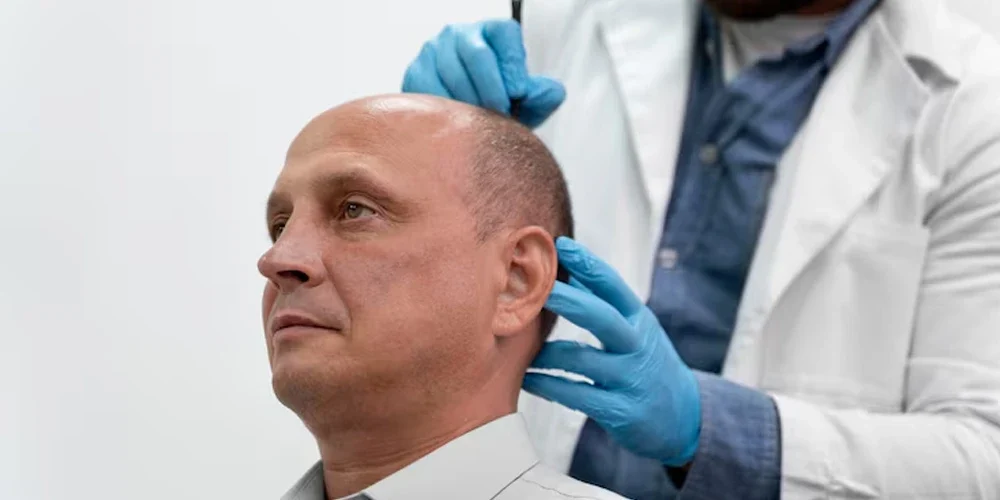
Head-to-Head Comparison: Why İstanbul’s Top Clinics Prefer Sapphire
Here is a simple breakdown of the advantages from an expert’s perspective:
- Blade Sharpness: Sapphire: Incredibly sharp, does not dull. Steel: Sharp, but dulls during the procedure.
- Incision Shape: Sapphire: V-Shape (smaller, more precise). Steel: U-Shape/Slit (can be slightly larger).
- Tissue Trauma: Sapphire: Minimal, a clean cut. Steel: Slightly more, due to friction.
- Healing Speed: Sapphire: Faster, less scabbing. Steel: Slower, more scabbing.
- Density Potential: Sapphire: Very high (allows for “dense packing”). Steel: Good (but more limited).
The Verdict: Why the “İstanbul Perspective” Matters
İstanbul’s top clinics adopted Sapphire FUE as their standard of care for a simple reason: in a hyper-competitive market where patients demand the best, it provides clear, undeniable advantages. It allows surgeons to deliver on their two main promises: a denser, more natural-looking result (thanks to precision) and a faster, more comfortable recovery (thanks to better healing). Choosing a clinic in İstanbul that offers Sapphire FUE as a standard is a strong indicator that they are committed to investing in the latest technology for the best possible patient outcome, which is a key consideration noted by sources like the American Academy of Dermatology.
Conclusion: A Sharper Tool for a More Refined Result
While a skilled surgeon can achieve a good result with a classic steel blade, the Sapphire FUE technique provides them with a superior tool to achieve a great result. It empowers them to work with greater precision, craft denser hairlines, and offer their patients a significantly smoother and faster healing experience. The widespread adoption of Sapphire FUE is a key part of the “İstanbul Advantage” and a primary reason why the results from the city’s top clinics are considered world-class. To learn if this technique is right for you, contact a specialist for a consultation.
Frequently Asked Questions (FAQ)
- Is Sapphire FUE more expensive than classic FUE?
Answer: Because the sapphire blades themselves are a high-cost, precision medical instrument, the procedure may be priced slightly higher than a basic steel blade FUE. However, in İstanbul’s competitive market, most top-tier clinics have adopted it as their standard, including it in their package price. - Is the procedure more painful?
Answer: No, it is less painful during recovery. The procedure itself is performed under local anesthesia, so it is completely painless. Because Sapphire FUE causes less tissue trauma, patients often report less soreness and discomfort during the healing phase. - Does a Sapphire FUE guarantee a better result?
Answer: A great tool in an unskilled hand is still useless. The surgeon’s skill is the most important factor. However, the sapphire blade empowers a great surgeon to create a denser and more refined result than they could with a steel blade, while also providing a faster recovery. - How do I know if my clinic *really* uses Sapphire?
Answer: A reputable clinic will be completely transparent. They will explain the procedure in detail and will often show you the sterile, single-use sapphire blade tip before the procedure begins. Ask them directly during your consultation. - Is Sapphire FUE the same as DHI?
Answer: No, they are different. Both are advanced techniques. Sapphire FUE is a two-step method (open all channels with a sapphire blade, then place grafts). DHI (Direct Hair Implantation) is a one-step method that uses a “Choi Pen” to create the channel and implant the graft at the same time.

 English
  Italian
  French
  German
  Arabic