
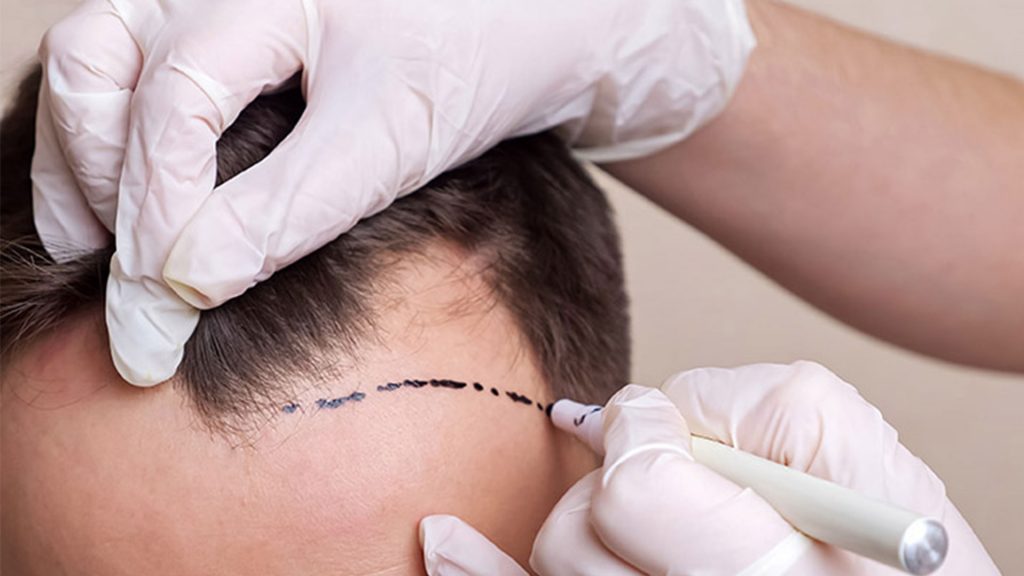
Hair transplant procedures have become a game-changer for individuals looking to restore their hair and boost their confidence. Among the various techniques available, Follicular Unit Extraction (FUE) is one of the most sought-after due to its minimally invasive nature and natural-looking results. However, within the FUE method, there are key variations—Sapphire FUE and traditional FUE—each offering distinct advantages.
Table of Contents
ToggleSo, what sets them apart? Which technique is the better option for you?
In this article, we’ll break down the differences between Sapphire FUE and traditional FUE, examining their unique characteristics, benefits, and suitability for different hair types and conditions. At Istanbul Hair Institute, we specialize in both techniques and are dedicated to helping our patients choose the best solution to achieve thicker, fuller, and more natural-looking hair. Let’s explore which approach aligns best with your hair restoration goals.
What is FUE Hair Transplantation?
Follicular Unit Extraction (FUE) is a cutting-edge, minimally invasive hair restoration technique that has transformed the field of hair transplantation. Unlike older strip-based methods, FUE involves the precise extraction of individual hair follicles from the donor area—typically the back and sides of the head—without leaving a noticeable scar. These follicular units, naturally containing one to four hairs, are then meticulously implanted into tiny incisions in the recipient area, ensuring a natural and seamless appearance.
The FUE Procedure: Step by Step
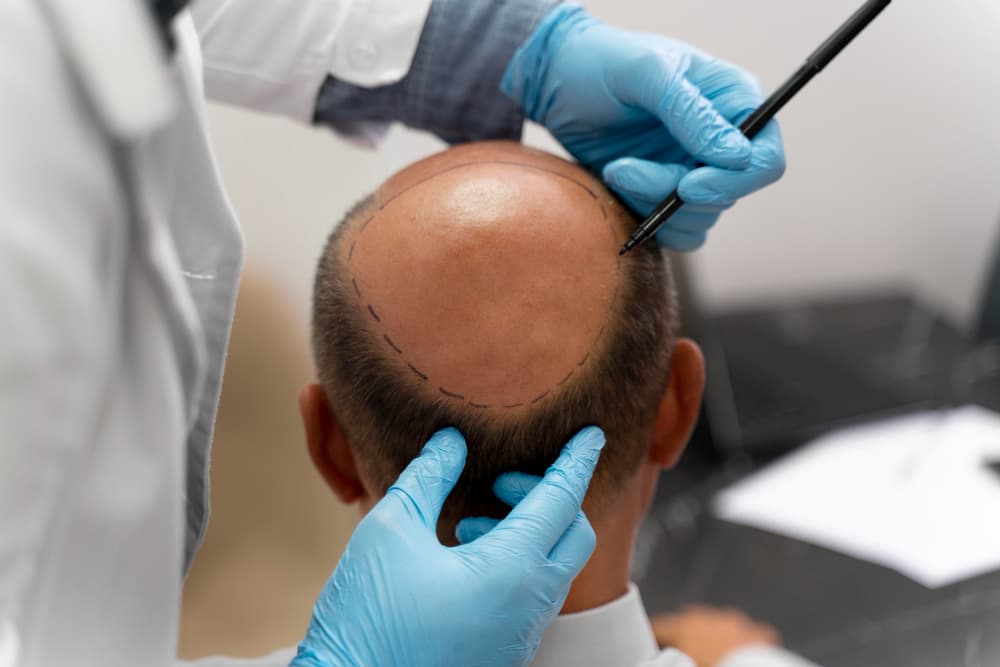
- The donor area is trimmed to facilitate easier follicle extraction.
- Both the donor and recipient areas are numbed with local anesthesia to ensure a pain-free procedure.
- A specialized micro-punch tool (typically less than 1mm in diameter) is used to gently extract individual hair follicles from the donor area.
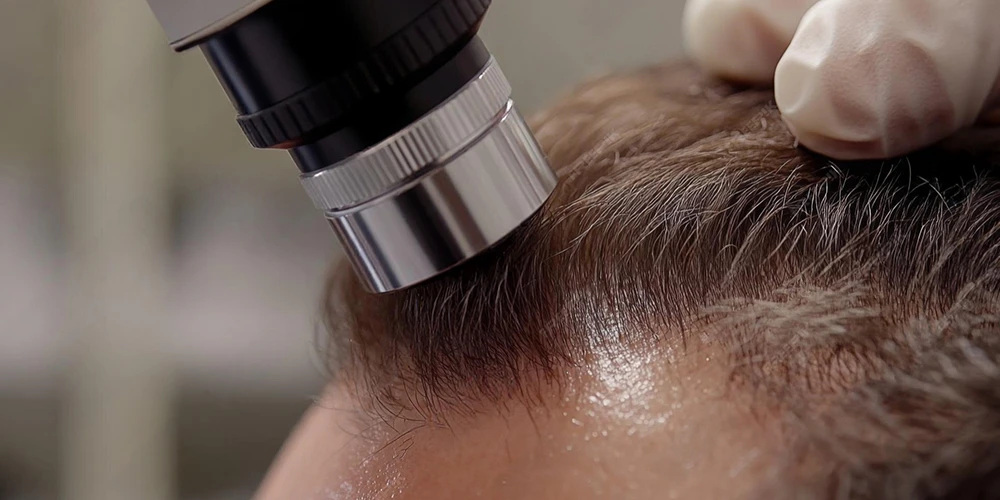
- The extracted follicular units are examined under a microscope and carefully prepared for implantation.
- Tiny incisions are made in the recipient area, with precise angling and placement to replicate natural hair growth patterns.
- Each follicular unit is strategically implanted into the recipient area, ensuring a dense and natural look.
Key Benefits of FUE Hair Transplantation
✔ Minimally Invasive: No large incisions or stitches, reducing the risk of complications.
✔ No Linear Scarring: Unlike the older FUT (strip) method, FUE leaves no visible linear scar.
✔ Fast Recovery: Healing time is generally quicker compared to traditional methods.
✔ Natural-Looking Results: Allows for precise placement of individual follicular units, mimicking natural hair growth.
✔ Minimal Post-Operative Discomfort: Less pain, swelling, and downtime compared to other techniques.
Thanks to its advanced technique, shorter recovery time, and impressive results, FUE has become the preferred hair transplant method for many patients looking for a discreet and effective solution to hair loss.
Understanding Traditional FUE

Traditional Follicular Unit Extraction (FUE) is one of the most widely practiced hair transplant techniques, offering a minimally invasive and effective solution for hair restoration. Compared to older methods like Follicular Unit Transplantation (FUT)—which involves removing an entire strip of scalp—FUE extracts individual hair follicles, resulting in a more refined and less invasive approach.
The key characteristic of traditional FUE is the use of steel micro-punches, which allow for precise extraction and implantation of hair follicles while minimizing visible scarring.
The Traditional FUE Process
1️. Extraction:
- The surgeon uses a small, sharp, circular micro-punch (usually less than 1mm in diameter) to make a tiny incision around each individual follicular unit in the donor area.
- Each follicular unit, containing 1-4 hairs, is carefully extracted from the scalp.
2️. Implantation:
- Once extracted, the grafts are meticulously prepared for transplantation.
- The surgeon then creates tiny recipient sites in the balding or thinning area using a fine needle or micro-blade.
- Each follicular unit is strategically implanted into the recipient sites, ensuring a natural-looking hairline and density.
Tools Used in Traditional FUE
The primary tool used in traditional FUE is a handheld micro-punch, which can be either manual or motorized. This tool features a sharp, circular steel blade that allows the surgeon to extract individual follicular units with precision.
✔ Manual Micro-Punch: Used for greater control and precision in extraction.
✔ Motorized Micro-Punch: Speeds up the process, making it efficient for larger procedures.
While traditional FUE using steel blades is a well-established and reliable technique, advancements in hair transplant technology have led to more refined variations, such as Sapphire FUE—which we will explore in the next section.
What is Sapphire FUE?
Sapphire FUE is an advanced variation of the Follicular Unit Extraction (FUE) technique, distinguished primarily by the type of blades used during the incision process. Instead of traditional steel blades, Sapphire FUE utilizes precision-crafted blades made from synthetic sapphire crystals, enhancing the accuracy and efficiency of the procedure.
This refinement in blade technology is designed to improve incision precision, minimize trauma, and potentially speed up healing, making it an appealing option for those considering a hair transplant with cutting-edge advancements.
Properties of Sapphire Blades
Sapphire blades offer several unique properties that set them apart from conventional steel blades:
✔ Exceptional Sharpness:
- Sapphire is an extremely hard and sharp material, allowing for ultra-fine and precise incisions.
✔ Smooth Surface:
- The smooth, refined structure of sapphire blades reduces friction during incision creation, which may help minimize tissue damage.
✔ Durability:
- Sapphire blades maintain their sharpness longer than steel blades, ensuring consistent precision throughout the procedure.
✔ Hypoallergenic:
- Being a non-metallic material, sapphire reduces the risk of allergic reactions or irritation, making it a safer alternative for some patients.
Potential Benefits of Sapphire FUE
The properties of sapphire blades theoretically contribute to several patient benefits, including:
🔹 Smaller, More Precise Incisions:
- The extreme sharpness of sapphire blades enables surgeons to create narrower and cleaner recipient sites, which may contribute to a more natural hair density.
🔹 Less Tissue Trauma:
- The smooth surface and ultra-fine edges of sapphire blades reduce friction, leading to less damage to surrounding tissue during both extraction and implantation.
🔹 Faster Healing & Reduced Scabbing:
- With less trauma to the scalp, healing time may be shorter, and scabbing can be minimized compared to traditional FUE.
🔹 Denser Hair Packing:
- The precision of sapphire blades may allow for closer graft placement, creating a fuller and more natural-looking hairline.
Is Sapphire FUE Truly Superior?
While Sapphire FUE is often marketed as a superior alternative, it’s important to note that scientific research comparing its long-term clinical outcomes to traditional FUE is still ongoing. Many skilled surgeons achieve excellent results with both techniques, and the overall success of a hair transplant depends on factors such as surgeon expertise, patient hair characteristics, and post-procedure care.
Sapphire FUE vs. Traditional FUE: A Detailed Comparison
Both Sapphire FUE and traditional FUE are highly effective hair transplantation techniques. The main difference between them lies in the type of blade used for making incisions in the scalp. While this may seem like a minor variation, it can potentially affect aspects such as incision precision, healing time, and overall patient experience.
Below is a side-by-side comparison of both techniques:
Feature | ||
Blade Material | Steel | Synthetic Sapphire |
Incision Size | Slightly larger | Potentially smaller |
Tissue Trauma | Slightly more | Potentially less |
Healing Time | Standard | Potentially faster |
Scarring | Minimal, tiny round scars | Minimal, tiny round scars |
Graft Survival Rate | High | High |
Pain/Discomfort | Mild to moderate | Mild to moderate |
Cost | More affordable | Generally more expensive |
Key Differences and Potential Advantages of Sapphire FUE
The primary distinction between Traditional FUE and Sapphire FUE lies in the blade material:
✔ Traditional FUE uses micro-blades made of steel.
✔ Sapphire FUE utilizes blades crafted from synthetic sapphire crystals, known for their sharpness, smooth surface, and enhanced durability.
In theory, these properties provide several potential advantages:
✅ Smaller, More Precise Incisions:
- The sharper sapphire blade may allow for finer, more precise incisions, potentially minimizing trauma to surrounding tissue.
✅ Reduced Tissue Trauma:
- The smooth surface of the sapphire blade may create less friction, leading to less damage during both extraction and implantation.
✅ Faster Healing & Less Scabbing:
- Reduced trauma could lead to faster healing, less post-procedure swelling, and minimized scabbing.
✅ Potentially Denser Hair Placement:
- Smaller incisions may enable hair follicles to be placed closer together, enhancing hair density and coverage.
Does Sapphire FUE Guarantee Better Results?
While these benefits are widely promoted, it’s important to note that scientific data comparing long-term results of Sapphire FUE vs. Traditional FUE is still evolving.
🔹 Many highly skilled surgeons achieve outstanding results with both techniques.
🔹 The success of a hair transplant depends more on the surgeon’s expertise, patient’s hair characteristics, and proper post-operative care than just the blade material.
🔹 Sapphire FUE may offer theoretical advantages, but the final outcome largely depends on proper technique and execution.
At Istanbul Hair Institute, we specialize in both Traditional and Sapphire FUE, offering personalized consultations to help you determine which technique aligns best with your hair restoration goals.
Which Hair Transplant Technique is Right for You?
Both Traditional FUE and Sapphire FUE are highly effective hair restoration techniques, capable of delivering natural-looking and long-lasting results. However, choosing the best method is not a one-size-fits-all decision. The right approach depends on several individual factors, including your hair loss pattern, donor hair characteristics, scalp condition, and personal preferences.
There is no universally “better” method—only the technique that is best suited for your unique hair restoration needs.
Key Factors to Consider When Choosing Between Sapphire FUE and Traditional FUE
✔ Extent of Hair Loss:
- If you require a large number of grafts, traditional FUE may allow for more efficient harvesting, depending on the surgeon’s experience and technique.
- For smaller or more targeted transplants, or if minimizing scarring is a priority, Sapphire FUE may be preferred.
✔ Donor Hair Characteristics:
- The thickness, density, and overall health of your donor hair influence the ideal technique.
- If you have weaker or finer hair, a more precise technique like Sapphire FUE might be beneficial.
✔ Scalp Condition:
- Factors like scalp laxity (looseness) and overall skin health can impact the choice of procedure.
- Some patients with tighter scalps may find Sapphire FUE’s smaller incisions to be a better option.
✔ Personal Priorities:
- If you are concerned about minimal scarring and faster healing, Sapphire FUE may be a better fit.
- If cost and accessibility are top priorities, traditional FUE may be the more practical option.
✔ Budget Considerations:
- Sapphire FUE is typically more expensive than traditional FUE due to the specialized blades and enhanced precision.
The Importance of a Professional Consultation
The best way to determine which technique is right for you is through a thorough consultation with a skilled and experienced hair transplant surgeon. During the consultation, the surgeon will:
✅ Evaluate your hair loss pattern and donor area
✅ Assess your scalp condition and hair type
✅ Discuss your goals, preferences, and expectations
✅ Recommend the technique that will deliver the most natural and long-lasting results
💡 Tip: Don’t hesitate to ask questions during your consultation. Understanding the process and what to expect can help you make an informed decision and feel confident in your choice.
At Istanbul Hair Institute, we specialize in personalized hair restoration solutions, ensuring that every patient receives the most effective treatment for their specific needs. Whether you opt for Traditional FUE or Sapphire FUE, our expert team is here to guide you toward the best possible outcome.

 English
  Italian
  French
  German
  Arabic