
Teeth Whitening for Sensitive Teeth: How Istanbul Dentists Manage Comfort
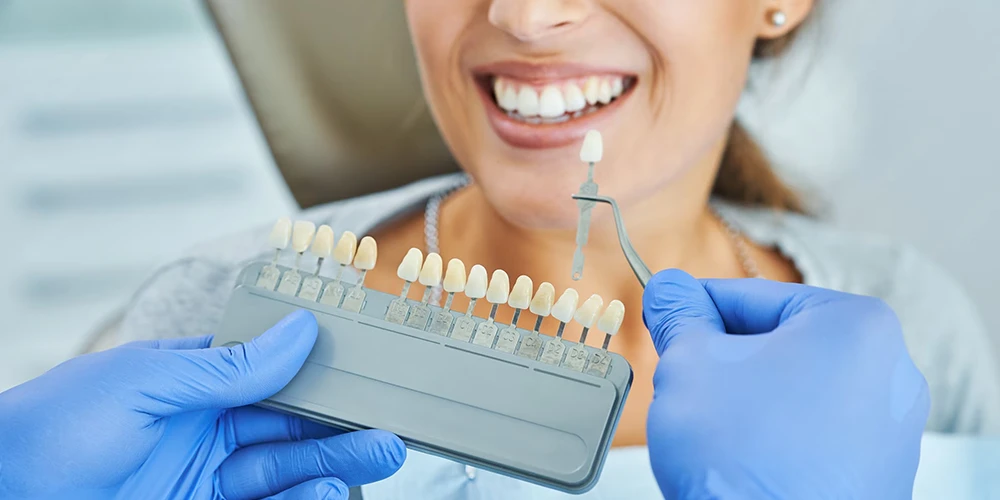
A bright smile is on everyone’s wish list, but for millions of people with sensitive teeth, the idea of professional whitening brings up one fear: the “zing.” That sudden, sharp flash of pain caused by cold air or sweet foods is bad enough; the thought of amplifying it with bleaching agents can be terrifying. However, having sensitive teeth does not mean you are sentenced to a lifetime of yellowing enamel. In Istanbul, a city that treats thousands of international patients annually, “Comfort-First Dentistry” has become the standard. By utilizing variable-intensity technology and advanced desensitizing protocols, top clinics are now able to deliver dazzling results with minimal to zero discomfort. This guide explains how you can safely whiten sensitive teeth in Turkey.,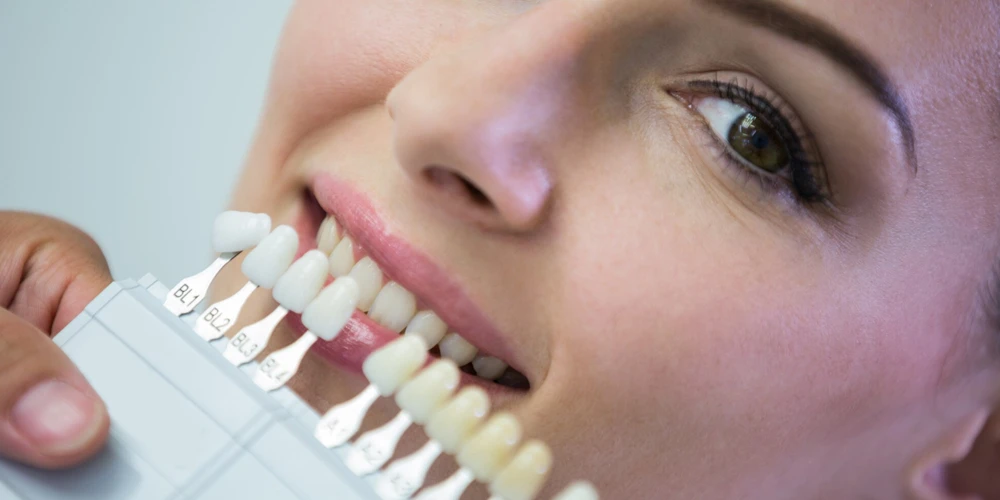
Why Does Whitening Cause Sensitivity?
To solve the problem, we must first understand it. Traditional whitening gels work by opening the pores of your enamel to lift deep stains. In this process, the microscopic channels (tubules) that lead to the nerves of your teeth become temporarily exposed. For patients with thin enamel or gum recession, this exposure triggers the nerve, causing the infamous “zing.”
According to the American Dental Association (ADA), sensitivity is the most common side effect of whitening, but it is temporary and manageable with the right professional care.
The Istanbul Protocol: 3 Steps to Painless Whitening
Clinics in Istanbul have adapted their procedures specifically for patients with high sensitivity. Here is the advanced workflow used by leading dentists.
1. Pre-Treatment Desensitization (The Shield)
Before the whitening gel even touches your teeth, the preparation begins.
- Potassium Nitrate & Fluoride: Dentists apply a special medical-grade desensitizing gel containing potassium nitrate. This ingredient works by calming the nerve activity, effectively “numbing” the tooth from the inside out.
- Gum Barriers: A precision-applied resin barrier covers every millimeter of your gum line. This prevents the whitening gel from touching soft tissue, which is a major cause of chemical irritation.
2. Smart Technology: Variable Intensity Lasers
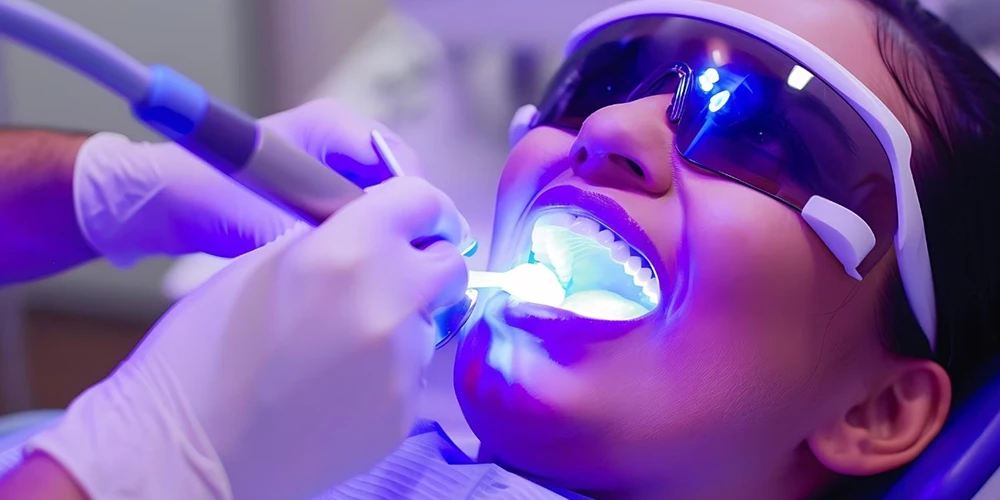
The days of “one setting fits all” are over. Istanbul clinics largely utilize the Philips Zoom! WhiteSpeed system or similar advanced diode lasers.
- Customizable Power: These devices have Low, Medium, and High intensity settings. For sensitive patients, the dentist will select the “Low” setting. While it might take 15 minutes longer, it delivers the same Teeth Whitening results with significantly less heat and dehydration, which are the primary triggers of pain.
3. Post-Treatment Remineralization (The Seal)
The procedure doesn’t end when the light goes off.
- Nano-Hydroxyapatite & ACP: After the whitening, a final layer of Amorphous Calcium Phosphate (ACP) or Nano-Hydroxyapatite is applied. These compounds mimic natural enamel, plugging the open tubules and sealing the tooth surface. This not only stops sensitivity but also leaves the teeth looking glossy and smooth.
Home Kits vs. Professional Care in Turkey
Patients often ask, “Should I just use a gentle home kit?” Ironically, professional treatment in Istanbul is often safer for sensitive teeth than home kits.
Home strips often overlap onto the gums, causing burns, and they require weeks of application, keeping the teeth in a state of chronic irritation. In contrast, a professional Medical Esthetic treatment is controlled. The dentist monitors your reaction in real-time, adjusting the concentration and duration to ensure your safety. You get the result in one hour, allowing your teeth to rehydrate and heal immediately.
Aftercare: Keeping the “Zings” Away
Once you leave the clinic, following these rules for 24-48 hours is crucial for comfort:
- Avoid Thermal Shock: Do not drink ice water or boiling hot coffee. Stick to room-temperature beverages.
- Use Sensitive Toothpaste: Continue using a toothpaste with high fluoride content to help remineralize the enamel.
- Use a Straw: This bypasses the teeth entirely when drinking.
Conclusion: You Don’t Have to Suffer for Beauty
Sensitivity is a hurdle, not a stop sign. With the right combination of protective barriers, adjustable laser technology, and remineralizing agents, you can achieve a Hollywood smile without the pain. Istanbul’s dental experts are masters at tailoring this experience to your specific needs, ensuring that your trip is memorable for the beautiful results, not the discomfort. If you have been avoiding whitening due to fear of pain, contact us to discuss our sensitive-teeth protocols.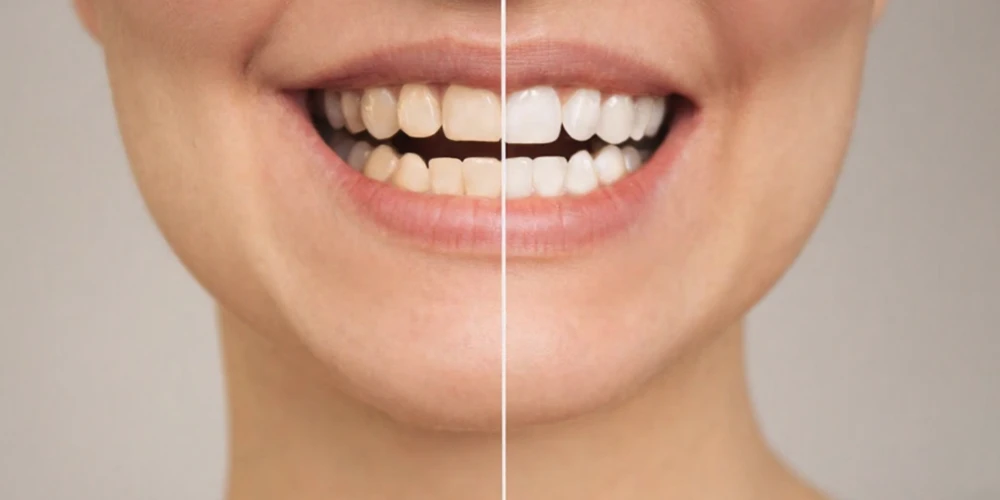
Frequently Asked Questions (FAQ)
- Can I take painkillers before the appointment?
Yes. Many dentists recommend taking an anti-inflammatory (like Ibuprofen) 1 hour before your appointment to preemptively block any inflammation signals from the tooth nerves. - Will the “Low” setting on the laser make my teeth less white?
Not necessarily. It may take slightly longer (e.g., 4 sessions of 15 minutes instead of 3), but the final shade is typically comparable to the high setting, just achieved more gently. - Is laser whitening better than chemical whitening for sensitivity?
Generally, yes. Laser whitening is faster. The gel stays on your teeth for a shorter period compared to home trays, meaning less time for the chemicals to penetrate too deeply and irritate the nerve. - What if I feel pain during the procedure?
You are in control. If you feel a “zing,” tell your dentist immediately. They can lower the intensity, apply more desensitizer, or shorten the session. You are never forced to endure pain. - How long does the sensitivity last after treatment?
With modern desensitizing methods, most patients feel back to normal within 24 hours. “Zingers” are rare after the first night.

 English
  Italian
  French
  German
  Arabic